 Business License

How Composite Rubber Dams Improve The Service Life of Hydraulic Water Control Projects
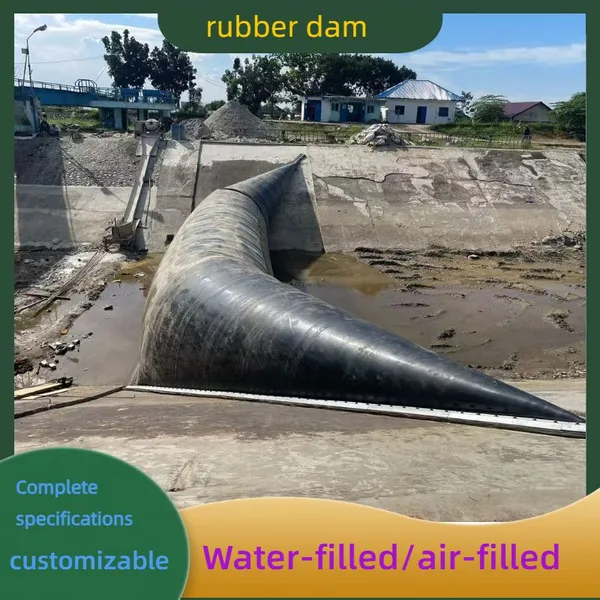
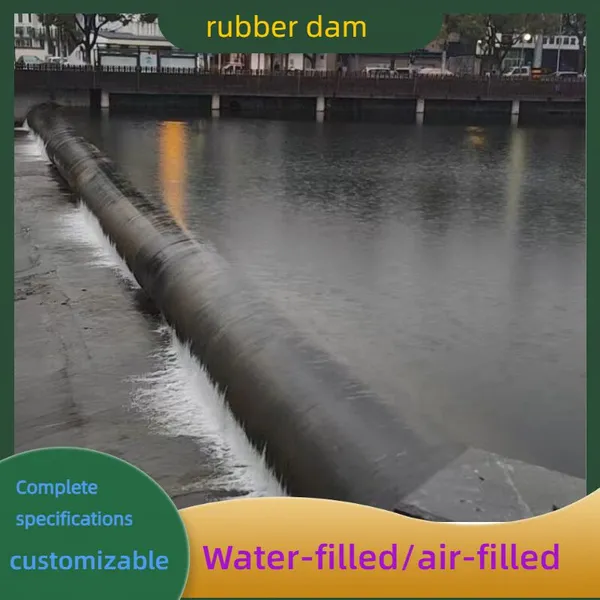
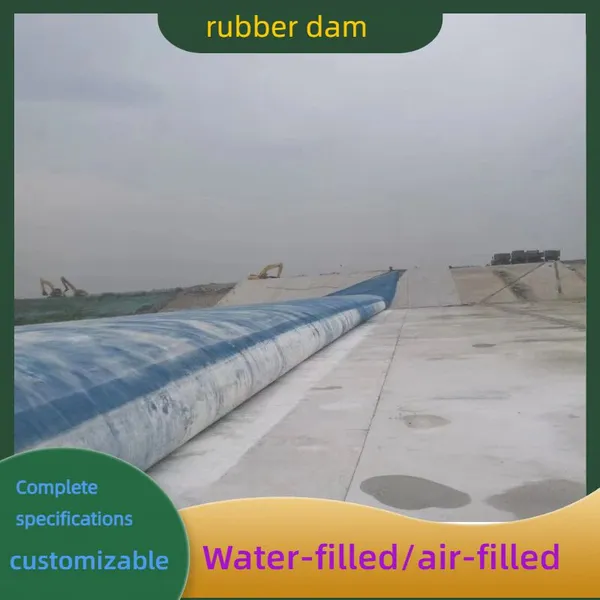
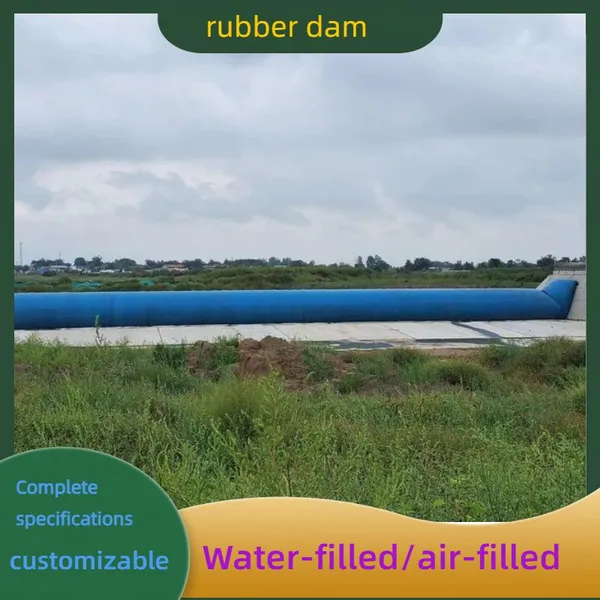
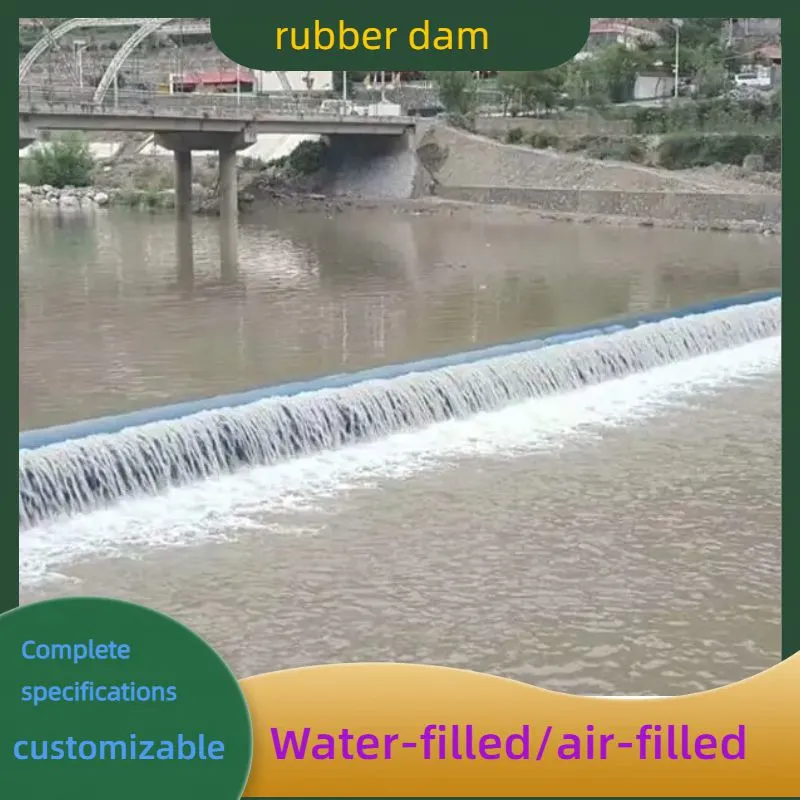
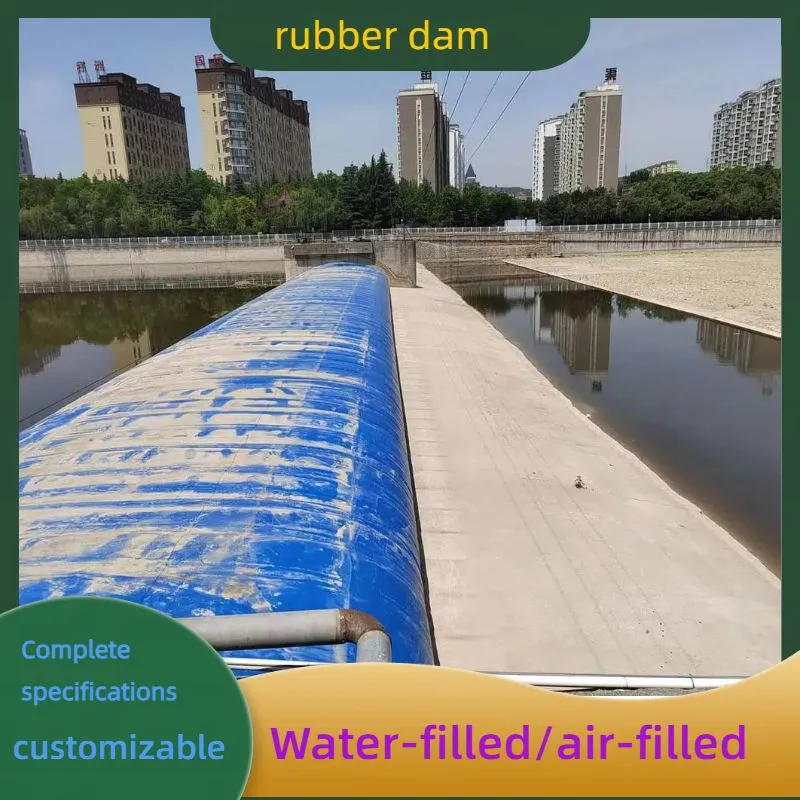
Service life and stability are the core indicators for evaluating hydraulic water control facilities, and traditional water retaining structures are easily damaged by water impact, chemical corrosion and tidal scouring, resulting in frequent maintenance and short service life. Modern composite rubber dams adopt multi-layer reinforced polyester fabric and high-quality rubber composite technology, which integrates tear resistance, corrosion resistance and anti-aging performance. It can resist the scouring of river water, the corrosion of sewage and the impact of floating debris for a long time, and will not deform or leak after long-term use. Compared with traditional concrete and steel dams, composite rubber dams have stronger seismic resistance and deformation resistance, can adapt to complex terrain and water quality environments, and greatly reduce the frequency and cost of later maintenance and replacement. It is a cost-effective and durable water control facility for long-term hydraulic engineering operation.
Recently Posted
-
Special-Shaped Rubber Waterstop Classification: Corner, Hollow P-Type and Composite Types
September 23, 2026Beyond standard flat waterstops, special-shaped rubber waterstops are customized for complex construction nodes, including corner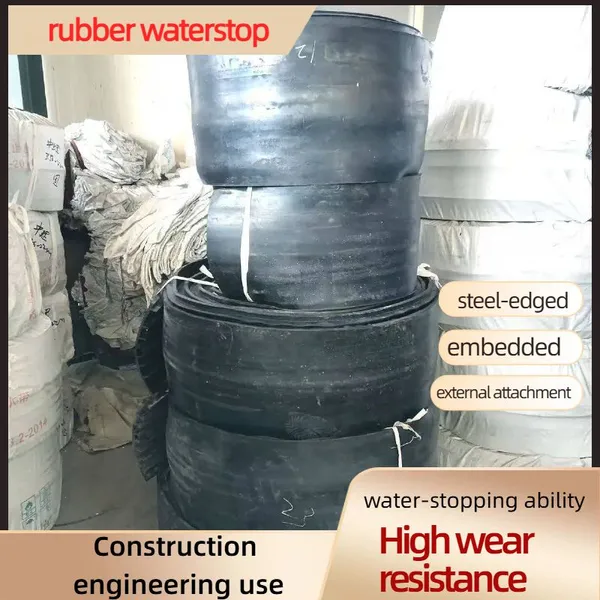 Read More
 -
Reinforced vs Ordinary Rubber Waterstop: Structural Classification for High-Pressure Projects
September 23, 2026In terms of structural design, rubber waterstops are classified into ordinary rubber waterstops and steel-edged reinforced r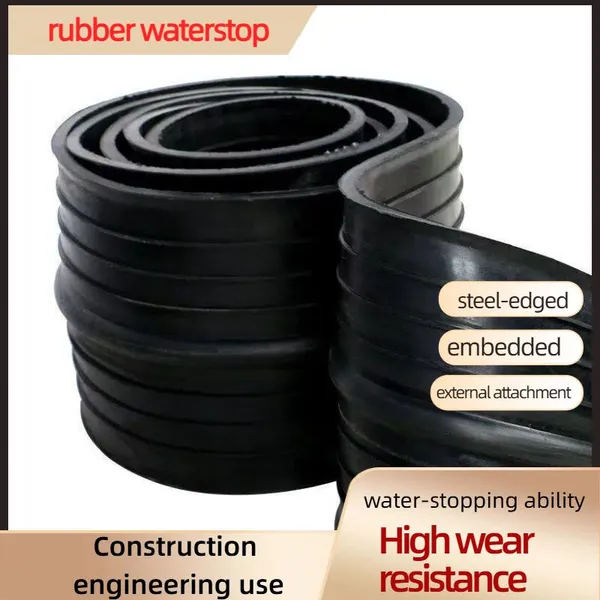 Read More
 -
Ordinary vs Water-Swelling Rubber Waterstop: Functional Classification & Usage Scenarios
September 23, 2026According to waterproof working principles, rubber waterstops fall into ordinary elastic type and hydrophilic water-swelling type,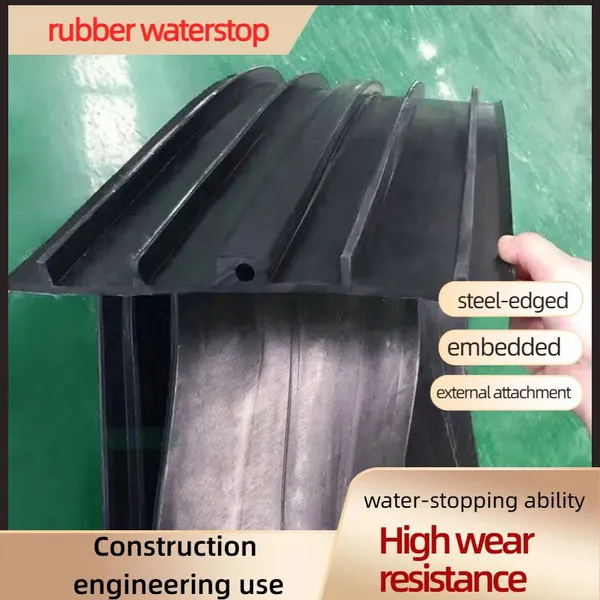 Read More
 -
Material-Based Rubber Waterstop Classification: Natural Rubber vs EPDM vs Neoprene
September 23, 2026Based on raw rubber materials, engineering rubber waterstops are divided into three mainstream types with distinct performan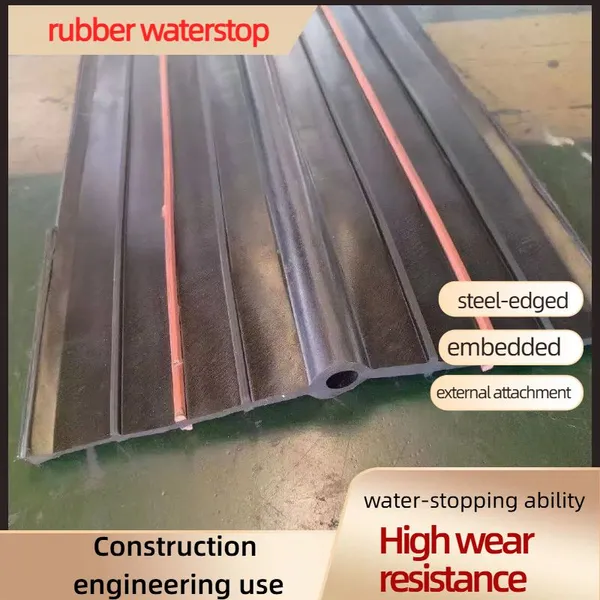 Read More

Contact Us
Recommended Products
-
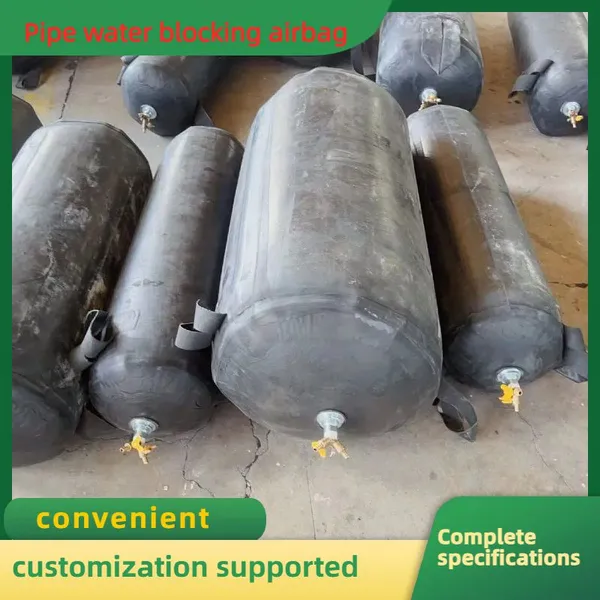
 Easy Operation Rubber Airbag for Remote Rural Water Supply Pipeline MaintenanceUS$ 86 - 96MOQ: 15 Combos
 -
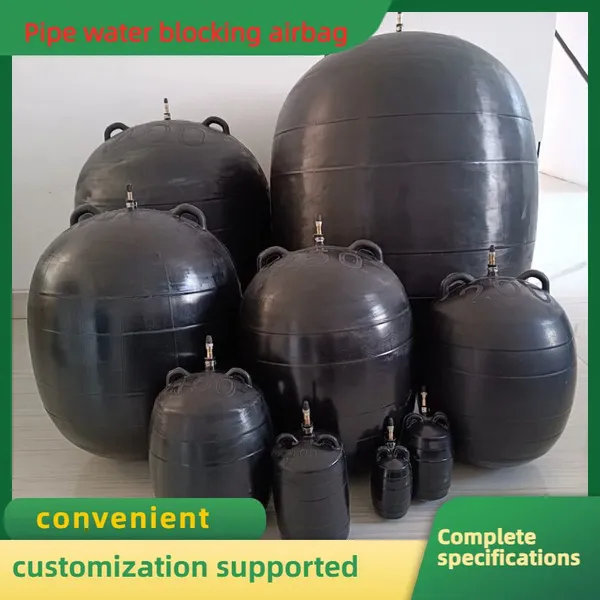
Durable Rubber Water Blocking Airbag for Urban Road Drainage Pipeline EngineeringUS$ 86 - 96MOQ: 15 Combos
-
Tight Sealing Rubber Pipe Plug for Basement Pipeline Water Blocking ConstructionUS$ 86 - 96MOQ: 15 Combos
-
Economical Rubber Inflatable Airbag for Rural Drainage Ditch Silt CleaningUS$ 86 - 96MOQ: 15 Combos
-
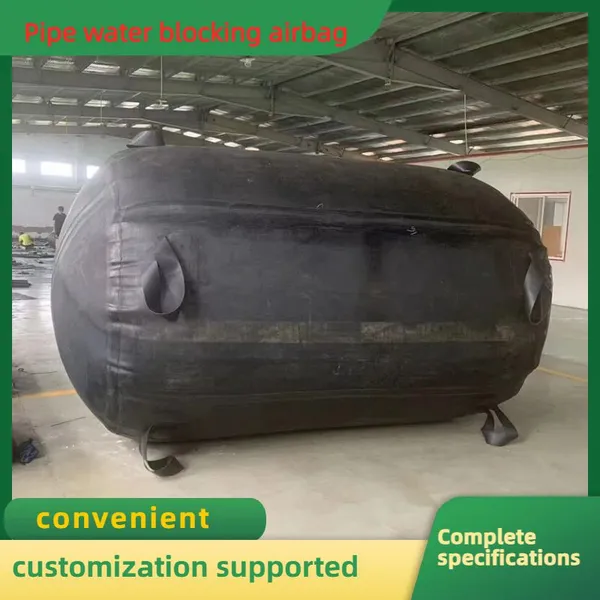
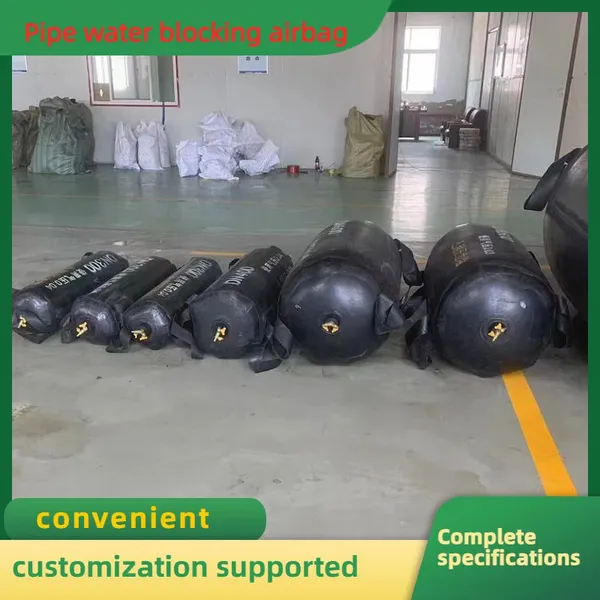
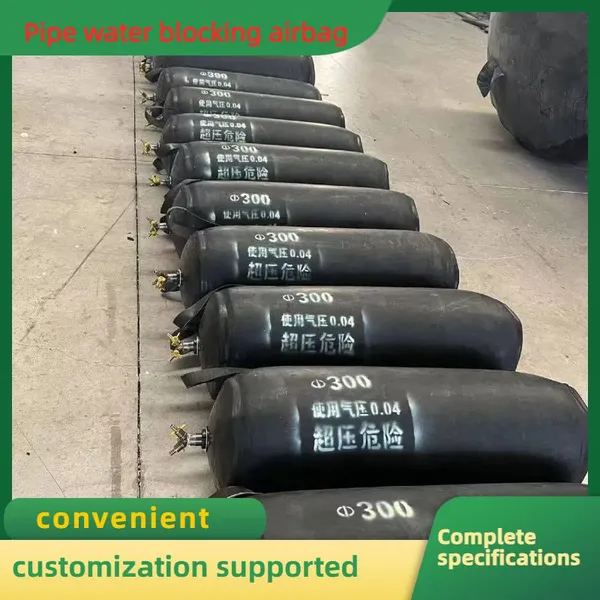
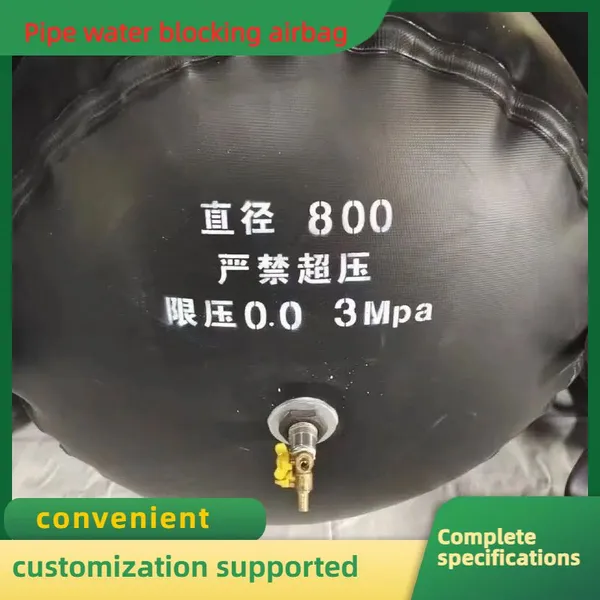
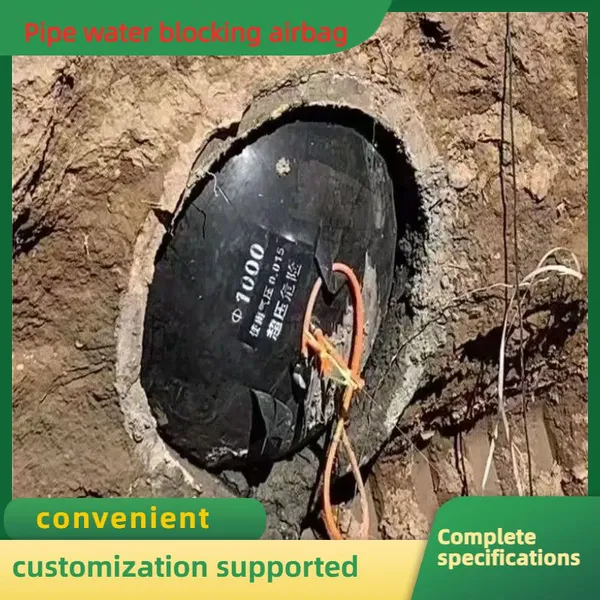
High Pressure Rubber Water Blocking Airbag for New Pipeline Construction and AcceptanceUS$ 86 - 96MOQ: 15 Combos
-
Weather Resistant Rubber Pipe Stopper for Bridge Drainage Pipeline RenovationUS$ 86 - 96MOQ: 15 Combos
-
Portable Rubber Inflatable Airbag for Residential Community Pipe Network MaintenanceUS$ 86 - 96MOQ: 15 Combos
-
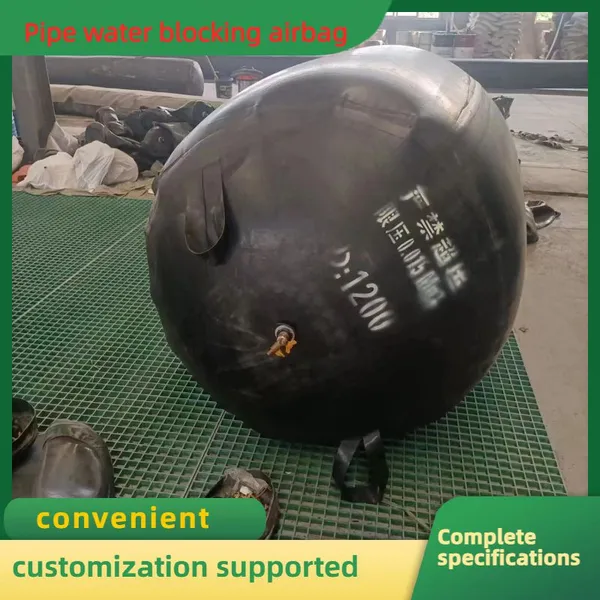
Large Size Rubber Water Blocking Airbag for Culvert and Tunnel Drainage MaintenanceUS$ 86 - 96MOQ: 15 Combos
-
Quick Inflation Rubber Pipe Plug for Urban Pipeline Flood Backflow PreventionUS$ 86 - 96MOQ: 15 Combos
-
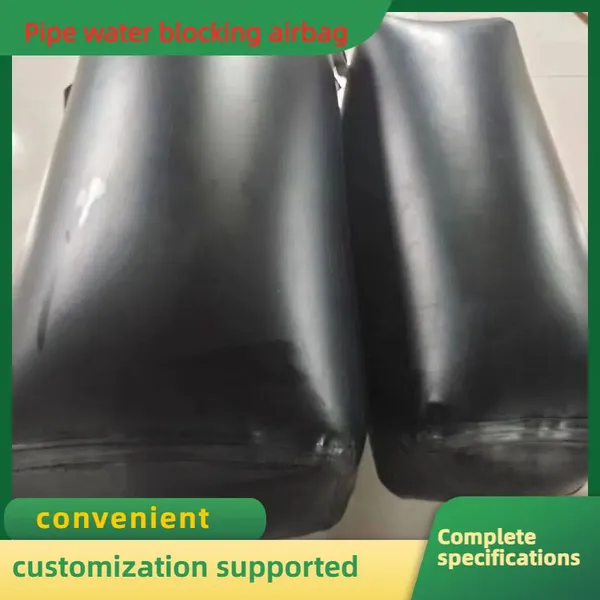
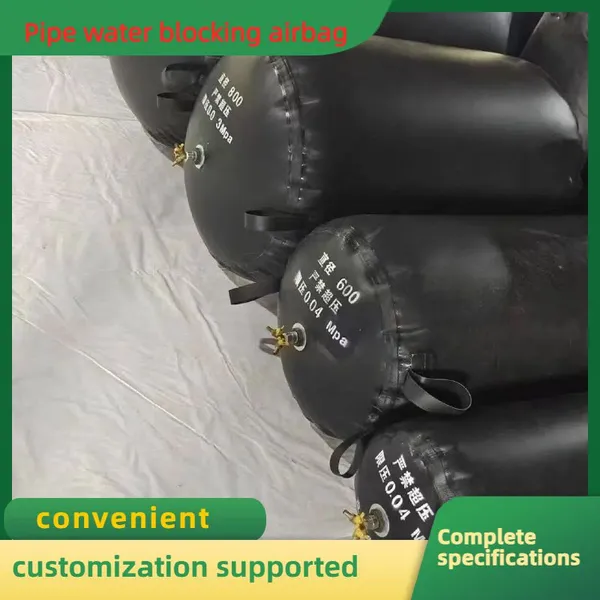
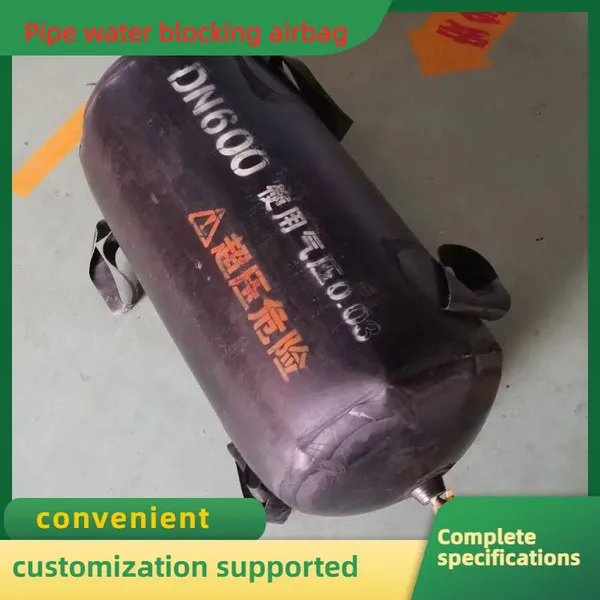
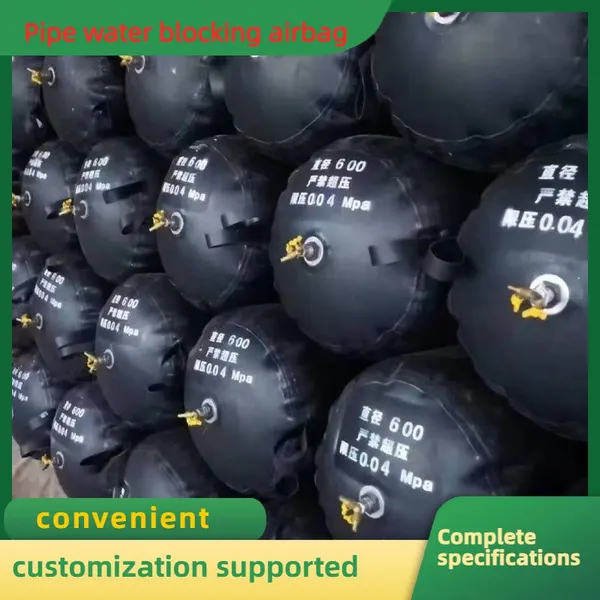
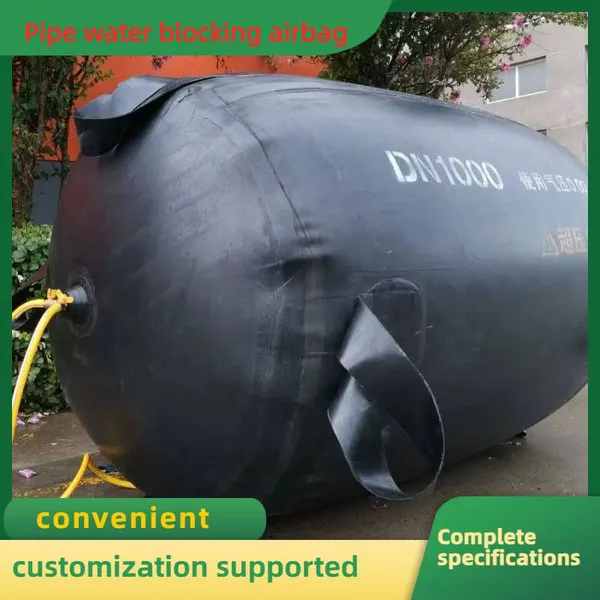
Acid and Alkali Resistant Rubber Water Blocking Airbag for Industrial Pipeline IsolationUS$ 86 - 96MOQ: 15 Combos
-
Flexible Inflatable Rubber Airbag for Municipal Water Supply Pipeline Emergency RepairUS$ 86 - 96MOQ: 15 Combos
-
Wear-Resistant Rubber Pipe Stopper for Pipeline Pressure Testing and Leak DetectionUS$ 86 - 96MOQ: 15 Combos
-
High Sealing Rubber Water Blocking Airbag for Municipal Sewer Cleaning and PluggingUS$ 86 - 96MOQ: 15 Combos
-
Inflatable Pipe Plug Rubber Airbag for Farmland Irrigation Pipe Repair and DredgingUS$ 86 - 96MOQ: 15 Combos
-
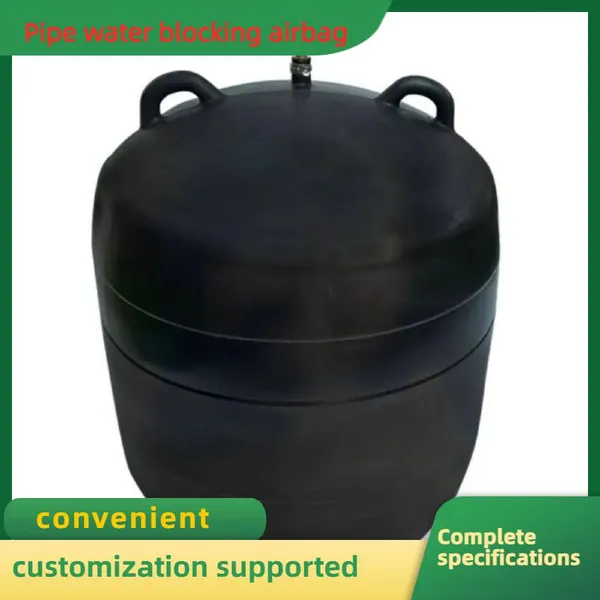
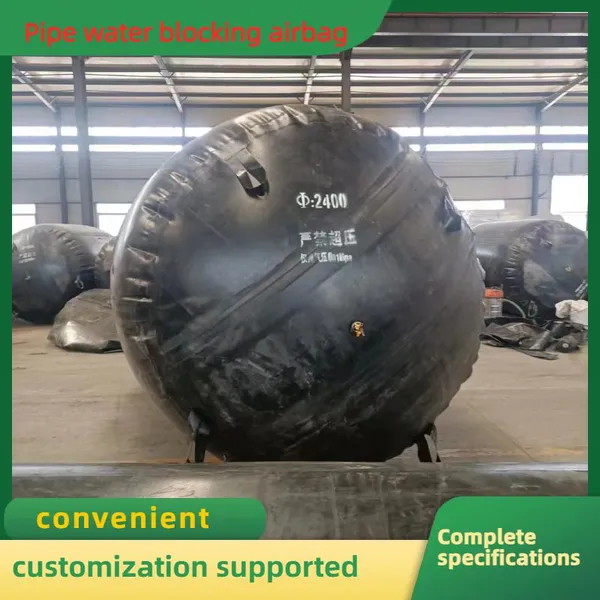
Reusable Rubber Water Blocking Airbag for Rural Water Conservancy Pipeline MaintenanceUS$ 86 - 96MOQ: 15 Combos
-
Cost-effective Rubber Dam Maintenance & Repair Solutions for Water EngineeringUS$ 259 - 296MOQ: 40 Square Meters
-
Solve Rubber Dam Aging, Deformation and Leakage Problems With Professional MaintenanceUS$ 259 - 296MOQ: 40 Square Meters
-
Professional Rubber Dam Maintenance Process: Inspection, Repair, Testing and MaintenanceUS$ 259 - 296MOQ: 40 Square Meters
-
Custom Rubber Dam Maintenance Solutions for Urban and Rural River Regulation ProjectsUS$ 259 - 296MOQ: 40 Square Meters
-
Why Regular Rubber Dam Maintenance Is Essential for Water Conservancy SafetyUS$ 259 - 296MOQ: 40 Square Meters