 Business License

Maintenance and Inspection Tips to Extend Bridge Bearing Service Life
Bridge bearings work continuously under repeated vehicle load, temperature variation and environmental corrosion. Periodic inspection and simple maintenance can effectively extend service life and avoid premature replacement cost.
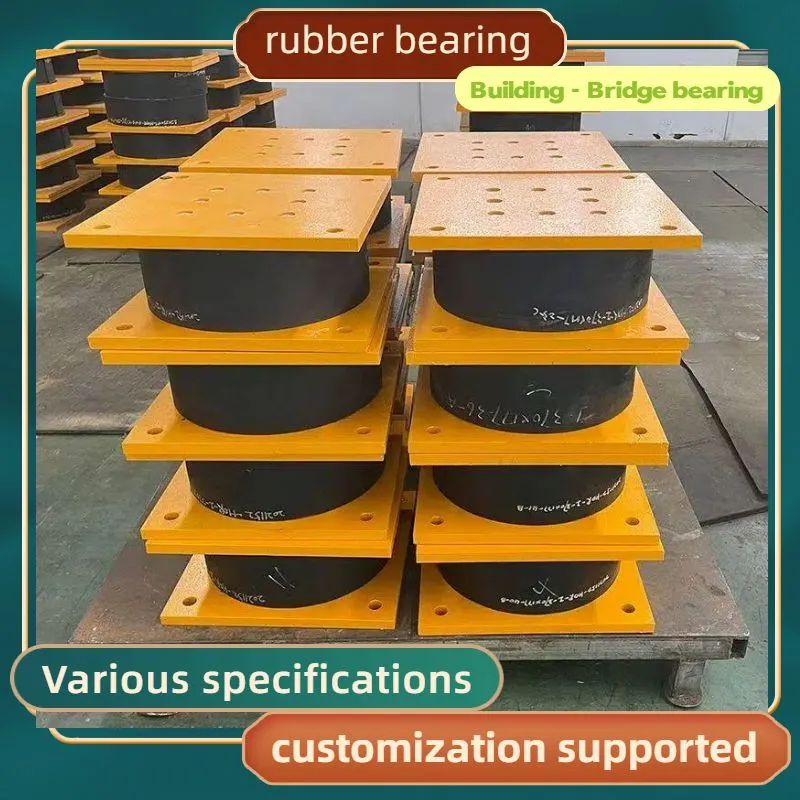
Routine visual inspection items: check rubber surface for crack, bulge, hardening or peeling; check steel plates for rust, coating damage; observe abnormal displacement or tilting of bearings. Keep bearing area clean, remove accumulated sediment, weeds and drainage blocking water. Do not apply heavy load or welding operation directly on bearings during bridge maintenance.
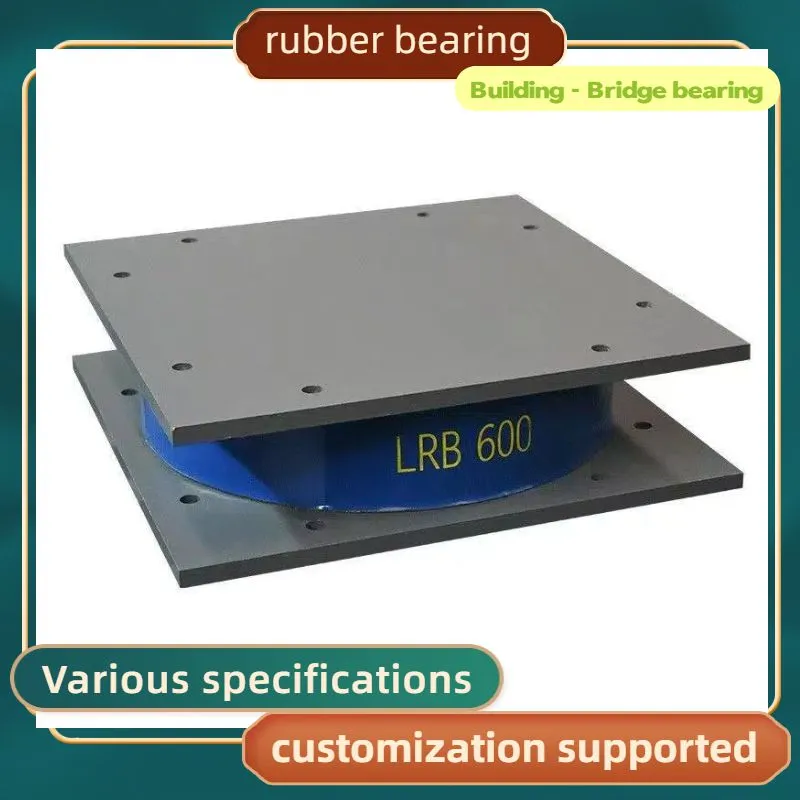
For sliding bearings, inspect stainless steel and PTFE sliding surface regularly, supplement lubricant as required. If rubber appears obvious aging crack or steel serious corrosion, replace bearing in time. Seismic lead rubber bearings need periodic seismic performance check in earthquake-prone areas. Our team provides maintenance manual and after-sales consultation for global bridge owners and engineering companies.
Recently Posted
-
Special-Shaped Rubber Waterstop Classification: Corner, Hollow P-Type and Composite Types
September 23, 2026Beyond standard flat waterstops, special-shaped rubber waterstops are customized for complex construction nodes, including corner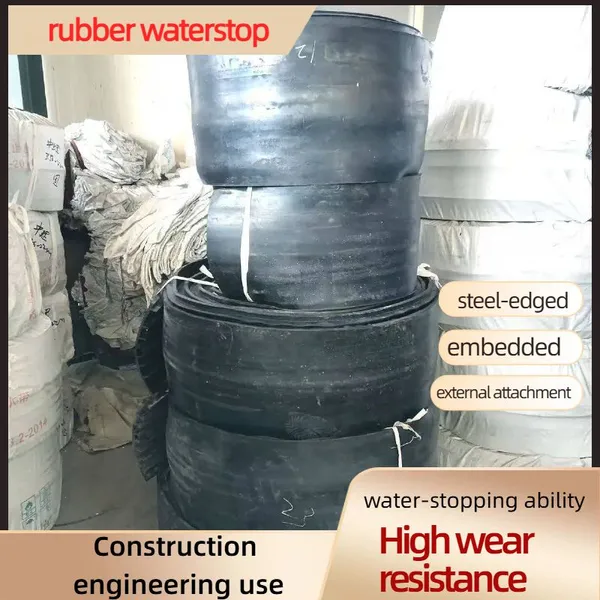 Read More
 -
Reinforced vs Ordinary Rubber Waterstop: Structural Classification for High-Pressure Projects
September 23, 2026In terms of structural design, rubber waterstops are classified into ordinary rubber waterstops and steel-edged reinforced r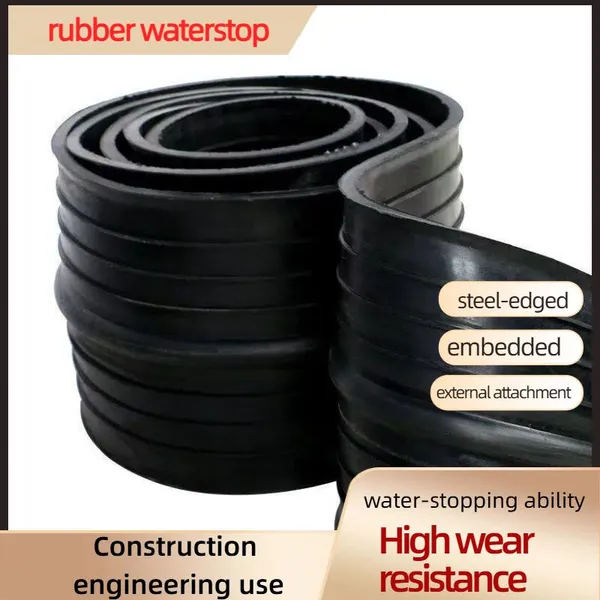 Read More
 -
Ordinary vs Water-Swelling Rubber Waterstop: Functional Classification & Usage Scenarios
September 23, 2026According to waterproof working principles, rubber waterstops fall into ordinary elastic type and hydrophilic water-swelling type,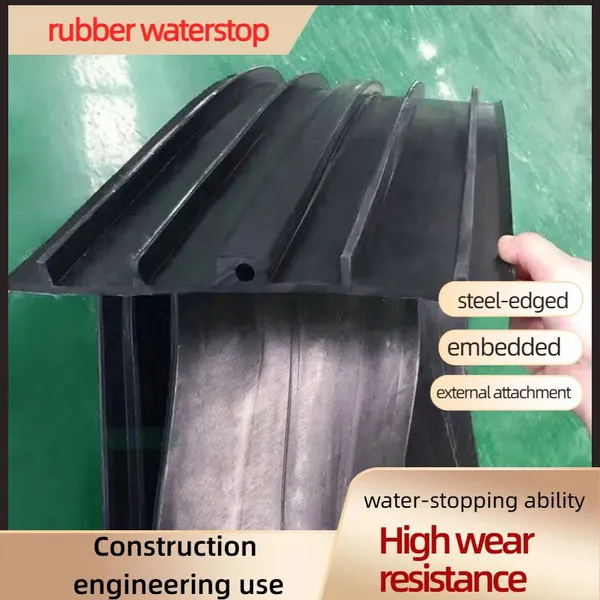 Read More
 -
Material-Based Rubber Waterstop Classification: Natural Rubber vs EPDM vs Neoprene
September 23, 2026Based on raw rubber materials, engineering rubber waterstops are divided into three mainstream types with distinct performan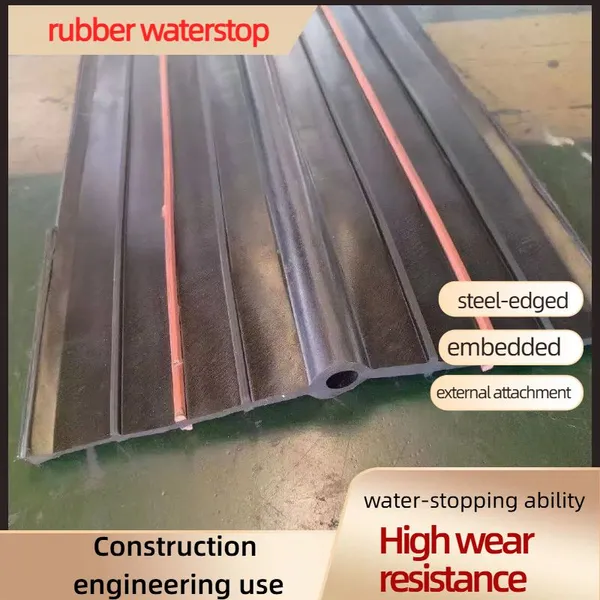 Read More

Contact Us
Recommended Products
-
 Easy Operation Rubber Airbag for Remote Rural Water Supply Pipeline MaintenanceUS$ 86 - 96MOQ: 15 Combos
 -
Durable Rubber Water Blocking Airbag for Urban Road Drainage Pipeline EngineeringUS$ 86 - 96MOQ: 15 Combos
-
Tight Sealing Rubber Pipe Plug for Basement Pipeline Water Blocking ConstructionUS$ 86 - 96MOQ: 15 Combos
-
Economical Rubber Inflatable Airbag for Rural Drainage Ditch Silt CleaningUS$ 86 - 96MOQ: 15 Combos
-
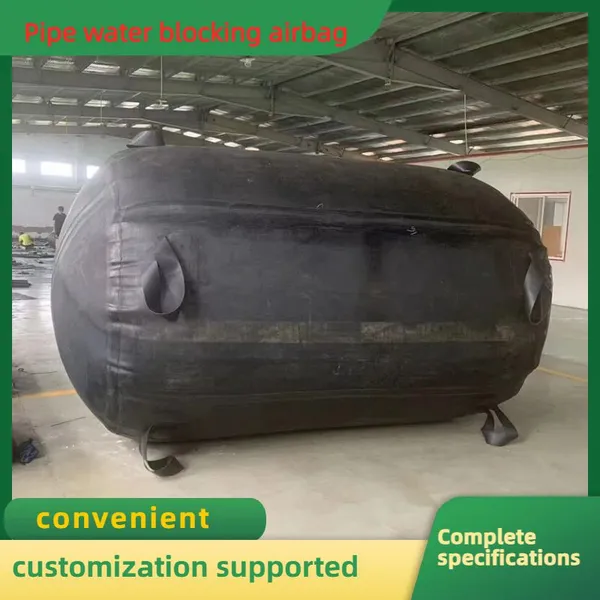
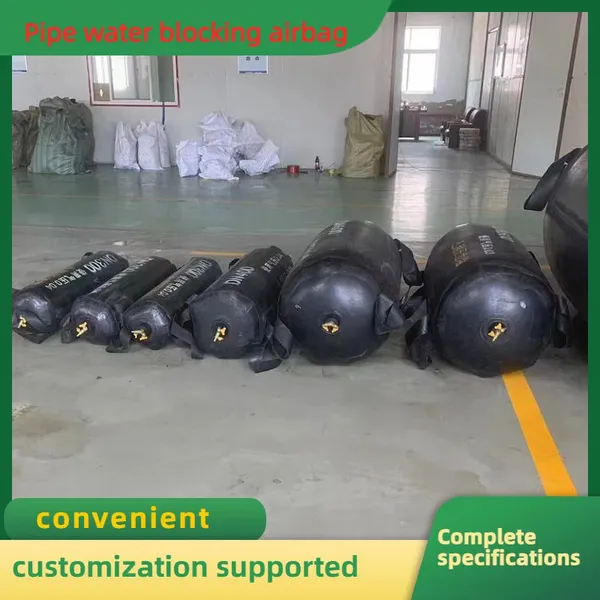
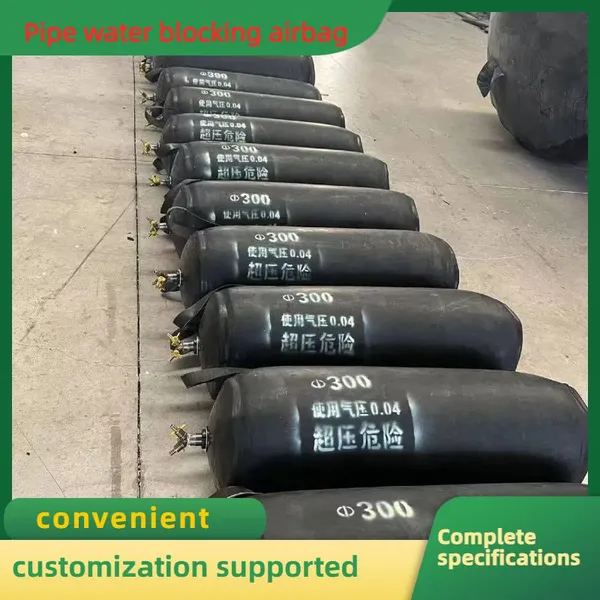
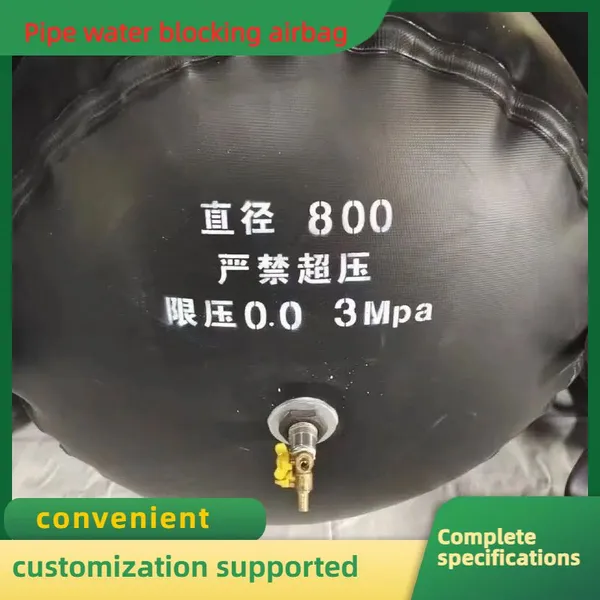
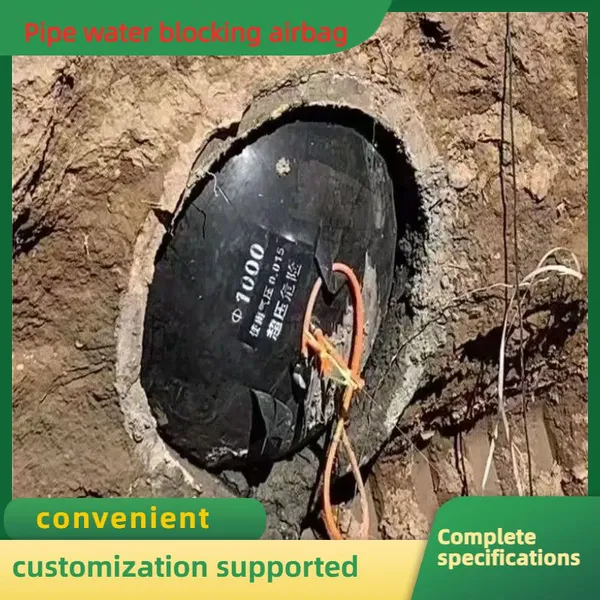
High Pressure Rubber Water Blocking Airbag for New Pipeline Construction and AcceptanceUS$ 86 - 96MOQ: 15 Combos
-
Weather Resistant Rubber Pipe Stopper for Bridge Drainage Pipeline RenovationUS$ 86 - 96MOQ: 15 Combos
-
Portable Rubber Inflatable Airbag for Residential Community Pipe Network MaintenanceUS$ 86 - 96MOQ: 15 Combos
-
Large Size Rubber Water Blocking Airbag for Culvert and Tunnel Drainage MaintenanceUS$ 86 - 96MOQ: 15 Combos
-
Quick Inflation Rubber Pipe Plug for Urban Pipeline Flood Backflow PreventionUS$ 86 - 96MOQ: 15 Combos
-
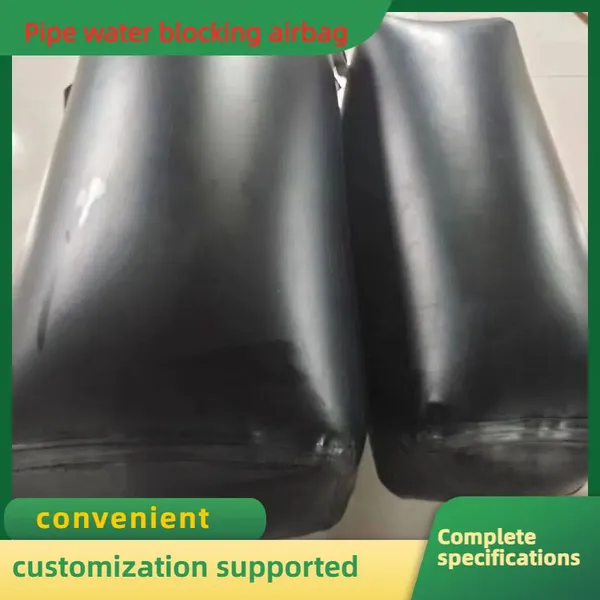
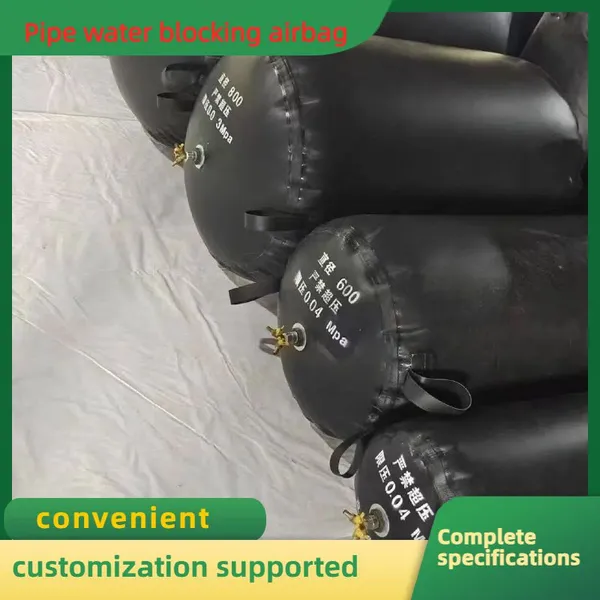
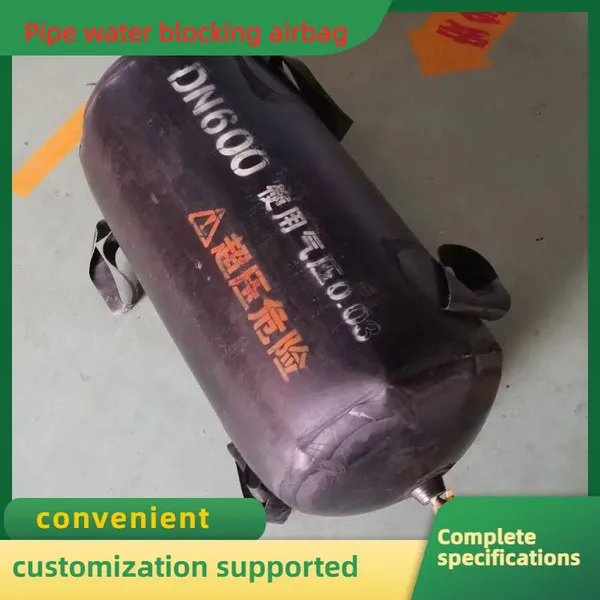
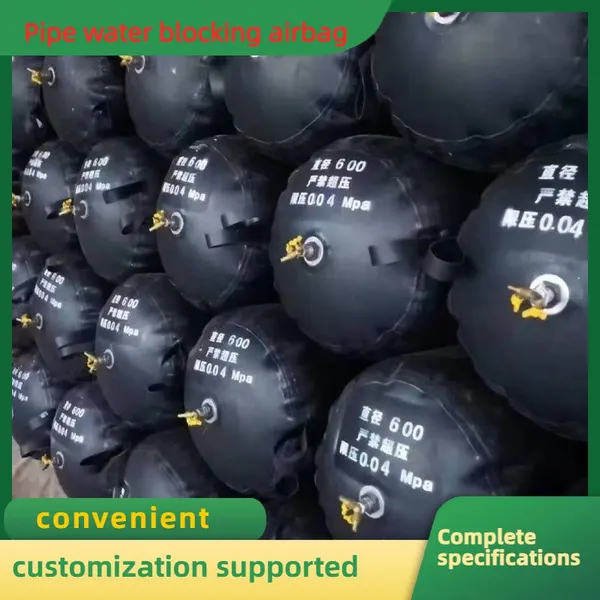
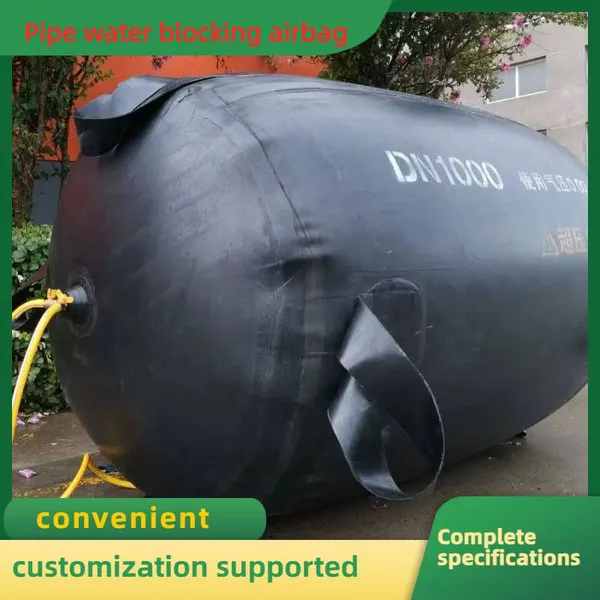
Acid and Alkali Resistant Rubber Water Blocking Airbag for Industrial Pipeline IsolationUS$ 86 - 96MOQ: 15 Combos
-
Flexible Inflatable Rubber Airbag for Municipal Water Supply Pipeline Emergency RepairUS$ 86 - 96MOQ: 15 Combos
-
Wear-Resistant Rubber Pipe Stopper for Pipeline Pressure Testing and Leak DetectionUS$ 86 - 96MOQ: 15 Combos
-
High Sealing Rubber Water Blocking Airbag for Municipal Sewer Cleaning and PluggingUS$ 86 - 96MOQ: 15 Combos
-
Inflatable Pipe Plug Rubber Airbag for Farmland Irrigation Pipe Repair and DredgingUS$ 86 - 96MOQ: 15 Combos
-
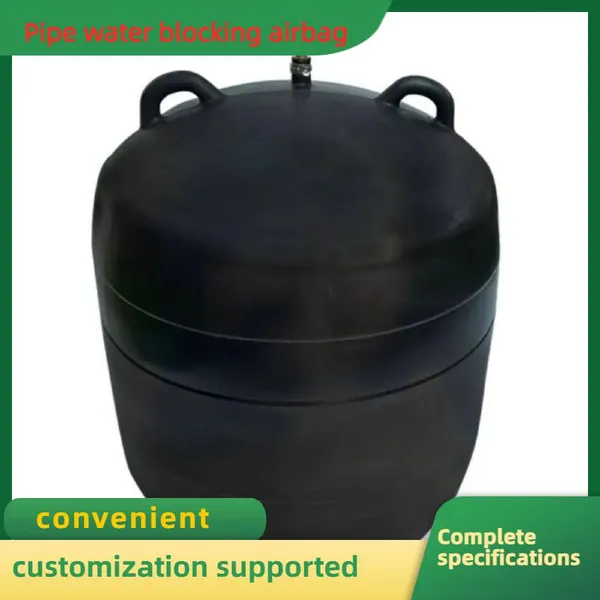
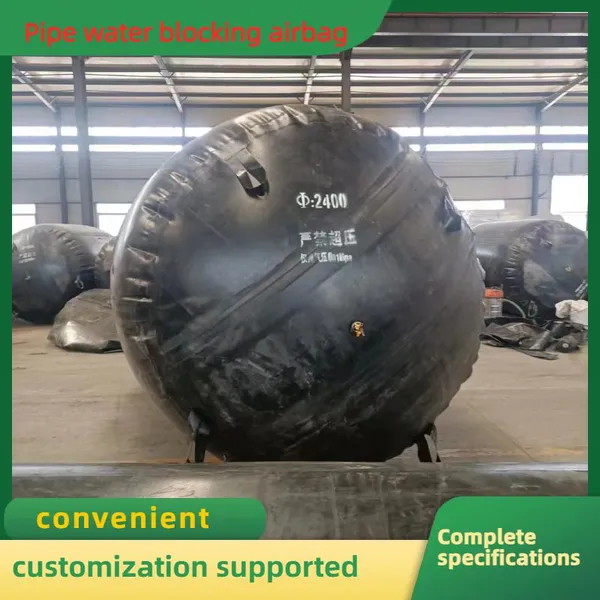
Reusable Rubber Water Blocking Airbag for Rural Water Conservancy Pipeline MaintenanceUS$ 86 - 96MOQ: 15 Combos
-
Cost-effective Rubber Dam Maintenance & Repair Solutions for Water EngineeringUS$ 259 - 296MOQ: 40 Square Meters
-
Solve Rubber Dam Aging, Deformation and Leakage Problems With Professional MaintenanceUS$ 259 - 296MOQ: 40 Square Meters
-
Professional Rubber Dam Maintenance Process: Inspection, Repair, Testing and MaintenanceUS$ 259 - 296MOQ: 40 Square Meters
-
Custom Rubber Dam Maintenance Solutions for Urban and Rural River Regulation ProjectsUS$ 259 - 296MOQ: 40 Square Meters
-
Why Regular Rubber Dam Maintenance Is Essential for Water Conservancy SafetyUS$ 259 - 296MOQ: 40 Square Meters