
 Business License

Ecological River Governance: Hydraulic Dam Drives Water Environment Restoration and Water Quality Improvement
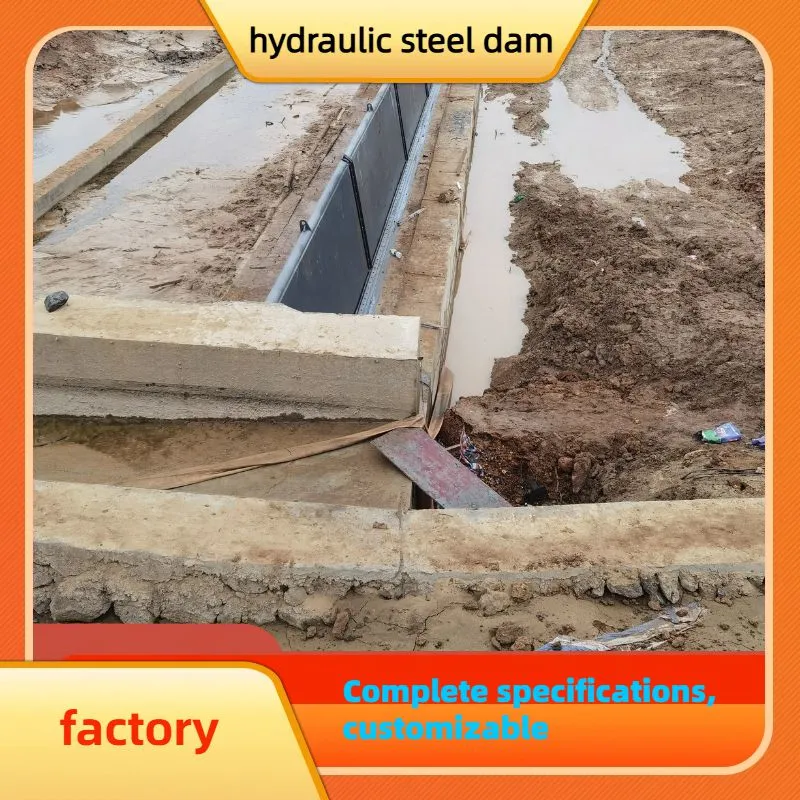
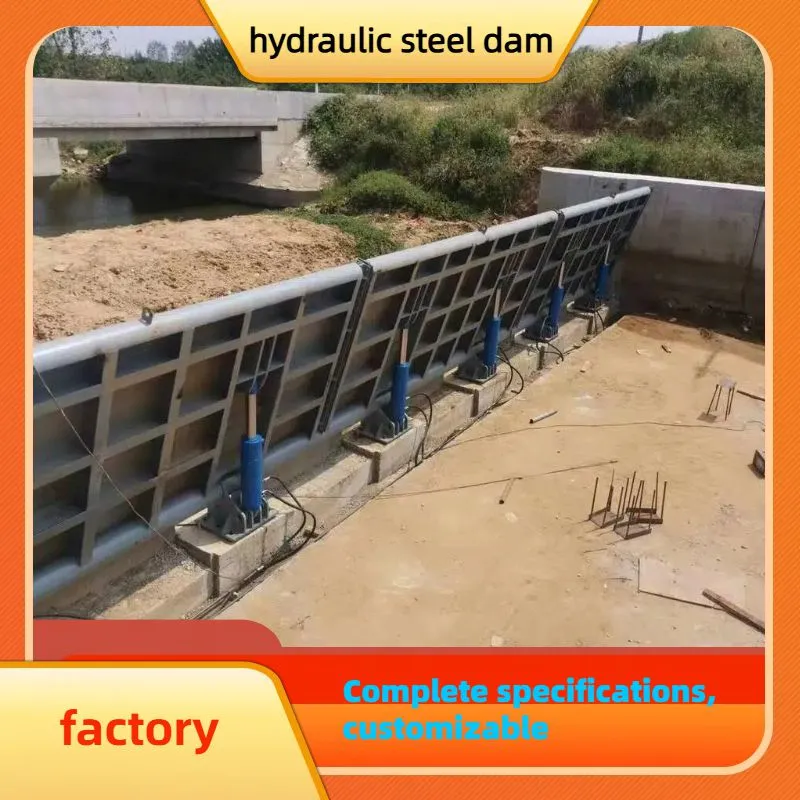
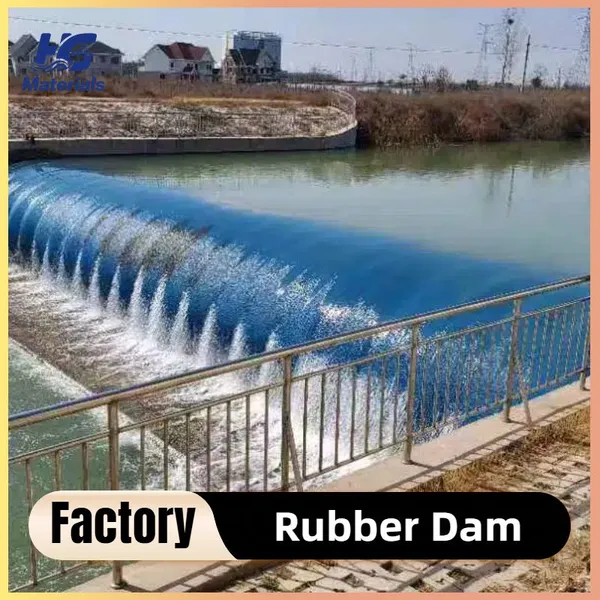
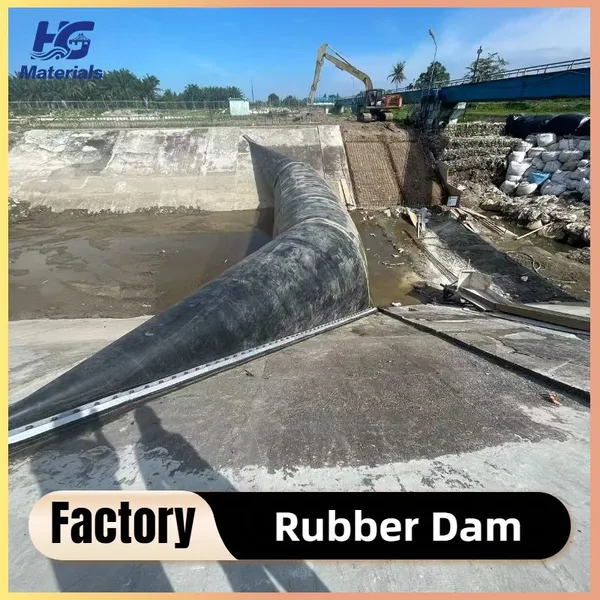
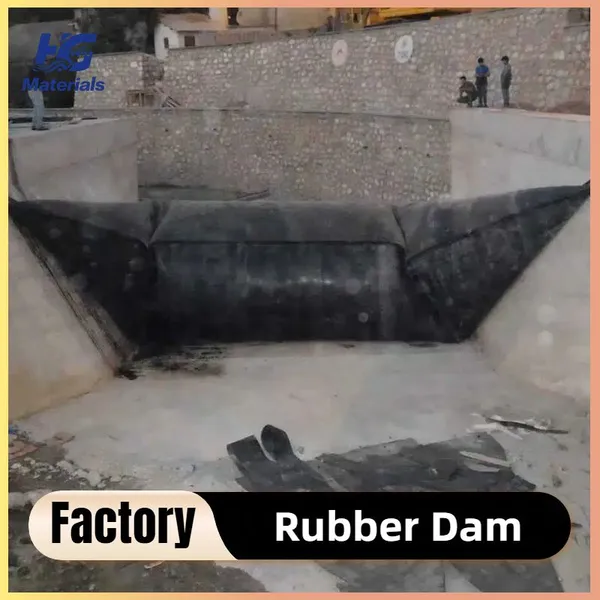
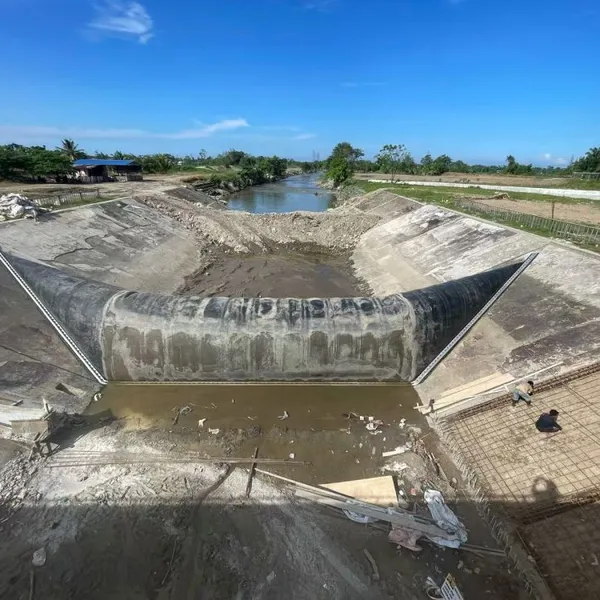
With the acceleration of industrialization and urbanization, many urban and rural rivers have problems such as slow water flow, water stagnation, algae breeding and water quality deterioration. Traditional river governance methods such as dredging and water diversion have short-term effects and cannot solve the fundamental problem of poor hydrodynamic conditions. Hydraulic dams realize the activation and optimization of river hydrodynamic conditions through intelligent water level regulation, and provide core technical support for river ecological restoration. By properly raising the dam body to store water, the river water body can be expanded, the water depth and water volume increased, and the river self-purification capacity effectively improved.
Stable and sufficient water body can dilute pollutants in the water, reduce the concentration of chemical oxygen demand, ammonia nitrogen and other pollutants, and inhibit the mass reproduction of algae and microorganisms. At the same time, the adjustable opening of the hydraulic dam can form periodic water flow fluctuation, promote river water circulation and exchange, avoid water stagnation and odor, and restore the dynamic water ecological environment. For polluted rivers and urban landscape water bodies, hydraulic dams can cooperate with ecological floating beds, aquatic plant planting and other governance measures to build a diversified ecological water system, further optimizing the river ecological chain. In addition, the dam body can be fully lowered during river ecological water replenishment and dredging operation, without affecting the river bottom ecological maintenance and water body renewal, realizing the organic combination of water conservancy regulation and ecological protection, and helping the sustainable restoration of river water environment.
Recently Posted
-
Special-Shaped Rubber Waterstop Classification: Corner, Hollow P-Type and Composite Types
September 23, 2026Beyond standard flat waterstops, special-shaped rubber waterstops are customized for complex construction nodes, including corner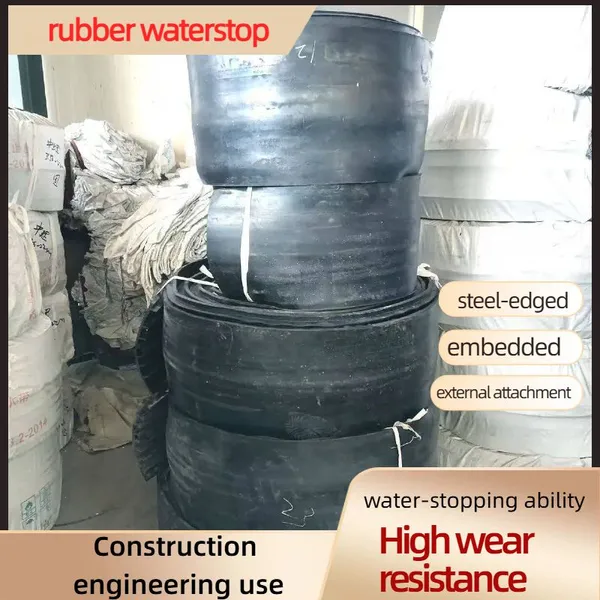 Read More
 -
Reinforced vs Ordinary Rubber Waterstop: Structural Classification for High-Pressure Projects
September 23, 2026In terms of structural design, rubber waterstops are classified into ordinary rubber waterstops and steel-edged reinforced r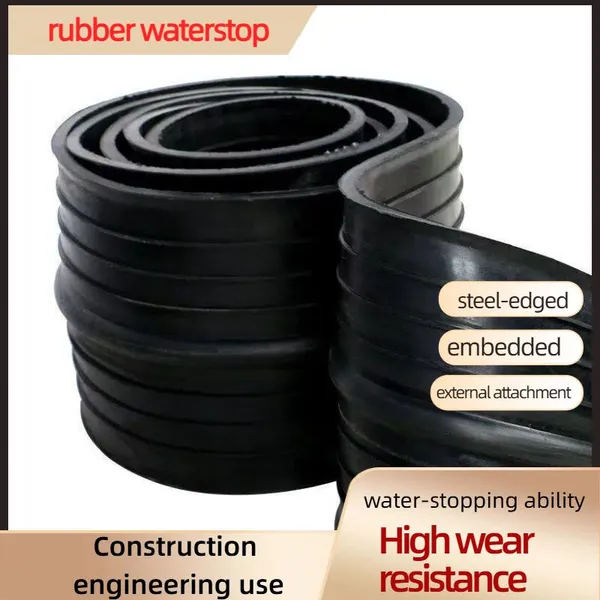 Read More
 -
Ordinary vs Water-Swelling Rubber Waterstop: Functional Classification & Usage Scenarios
September 23, 2026According to waterproof working principles, rubber waterstops fall into ordinary elastic type and hydrophilic water-swelling type,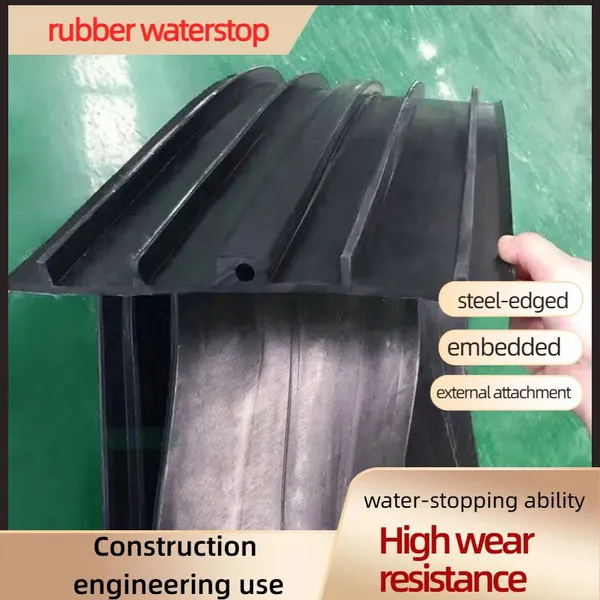 Read More
 -
Material-Based Rubber Waterstop Classification: Natural Rubber vs EPDM vs Neoprene
September 23, 2026Based on raw rubber materials, engineering rubber waterstops are divided into three mainstream types with distinct performan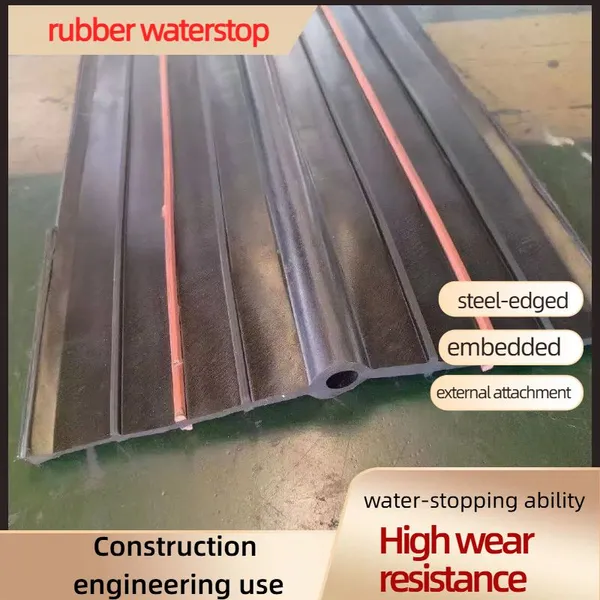 Read More

Contact Us
Recommended Products
-
 Custom Inflatable Rubber Dams – Dual Protection for Flood Control & Irrigation, Direct Factory SupplyUS$ 170 - 250MOQ: 20 Meters
 -
Inflatable Rubber Dams for River Regulation – Specialized for Ecological Landscape Water Storage, Customizable on DemandUS$ 170 - 250MOQ: 20 Meters
-
Lightweight Inflatable Rubber Dams – Fast Deployment, Ideal for Emergency Water ManagemenUS$ 170 - 250MOQ: 20 Meters
-
The Rubber Dam Built for Farmland Irrigation in Indonesia Can Store Water in a 25-meter-wide River.US$ 170 - 250MOQ: 20 Meters
-
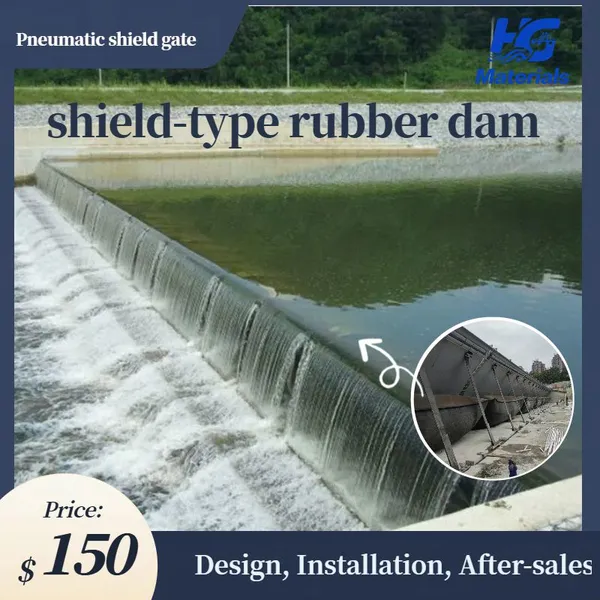
Pneumatic Shield Gate Shield-type Rubber Dam Air Shield Dam Spillway Gate Inflatable Rubber Dam Sold to Thailand, Malaysia, PhilippinesUS$ 1200 - 1500MOQ: 10 Square Meters
-
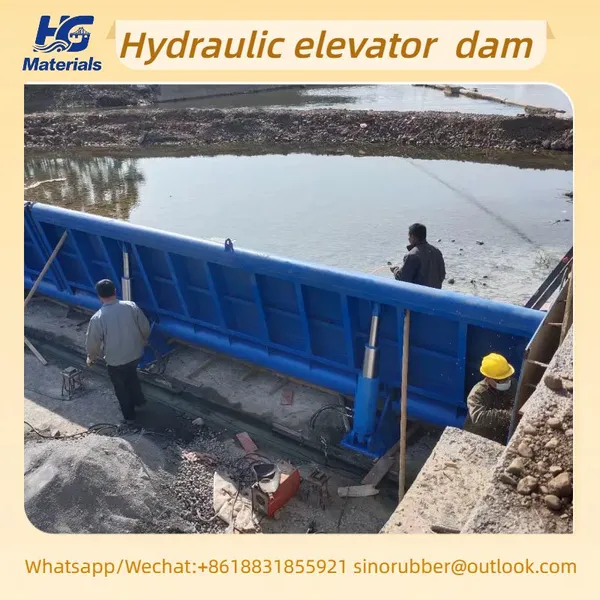
HG006 Hydraulic Elevator Dam Store Water Irrigate Landscape Flood Control Sluice Dam GateUS$ 300 - 350MOQ: 10 Square Meters
-
HG002 Cast Iron Sluice Gate, Farmland Irrigation and Drainage Gate, High-strength Wear-resistant Hydraulic Gate, Available in WholesaleUS$ 200 - 3000MOQ: 10 Combos
-
HG002manufacturer Specializes in Producing Custom-made Copper-inlaid Cast Iron Gates and Cast Iron Round GatesUS$ 200 - 3000MOQ: 10 Combos
-
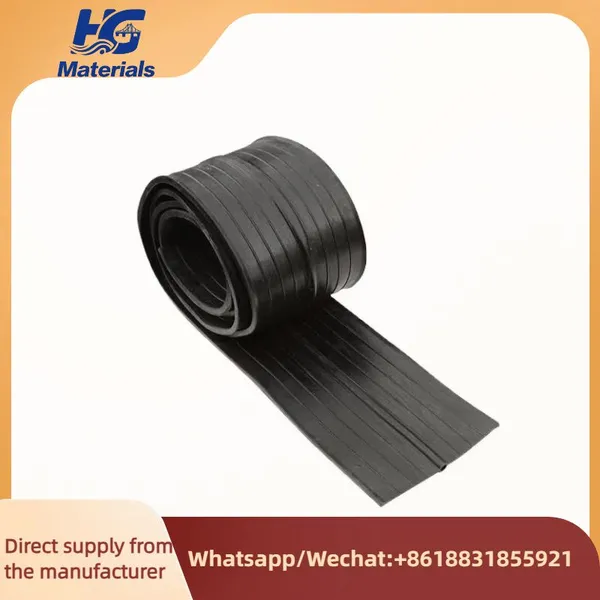
HG001 High Quality Rubber Pvc Water-stop Construction Concrete Joints Waterstops Rubber Water StopUS$ 4.8 - 5MOQ: 100 Meters
-
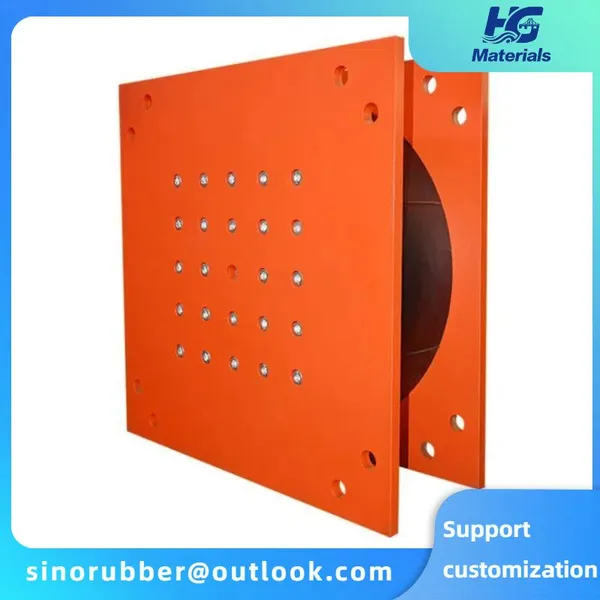
HG004 Elastomeric Laminated Neoprene Rubber Bridge Bearing Pad Nature Rubber Elastomeric Bearing PadUS$ 6.7 - 7MOQ: 10 Pieces
-
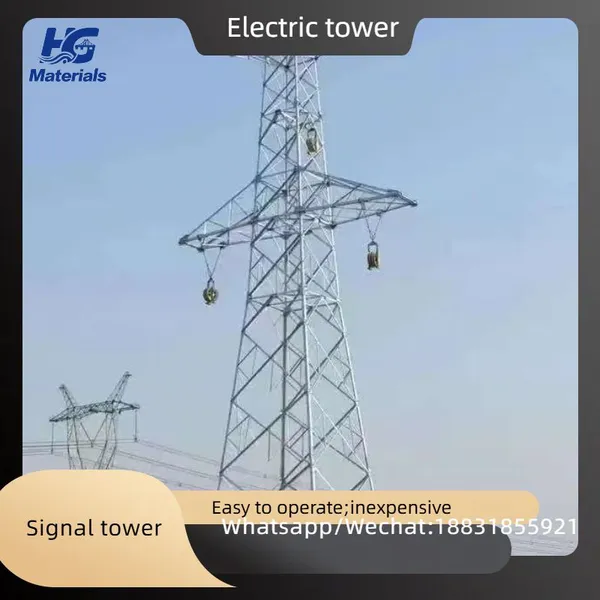
Iron Tower, Signal Tower, Power TowerUS$ 980 - 1000MOQ: 10 Metric Tons
-
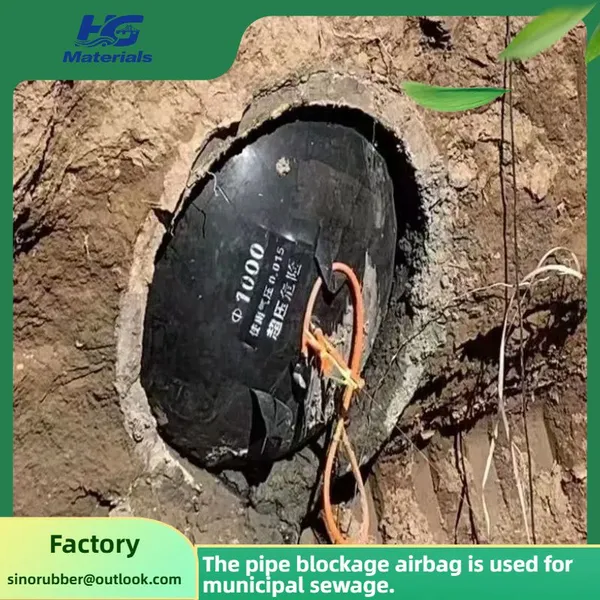
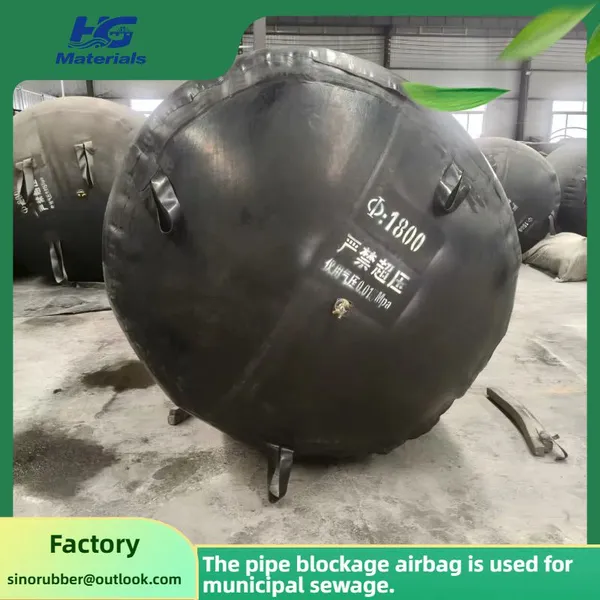
HG003 Customized Municipal Sewer Pipe Repair Pipe Blockage Diameter 800 Rubber Airbag Rubber Pipe Sealing AirbagUS$ 5 - 100MOQ: 10 Combos
-
Pipeline Blockage Water Balloon, Sewer Sewage Pipe Leak Sealing Rubber Balloon, Thickened Inflatable Pipeline BalloonUS$ 5 - 100MOQ: 10 Combos
-
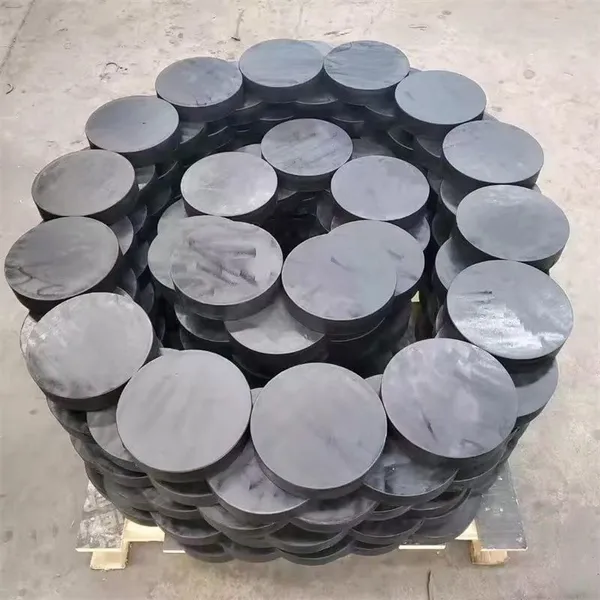
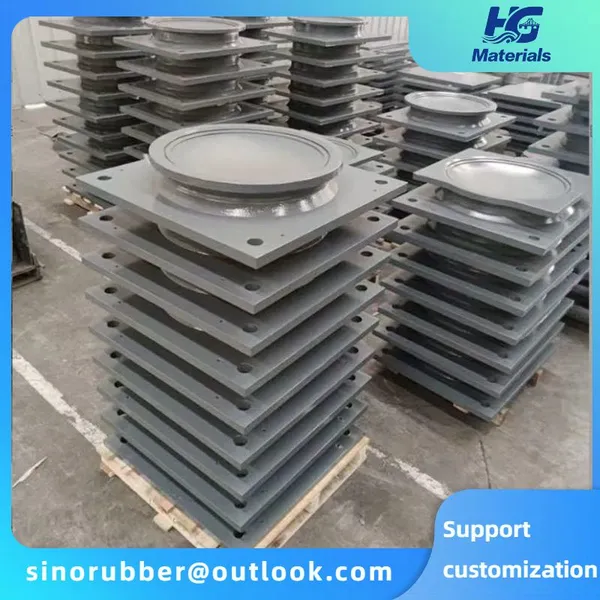
Bridge Rubber Bearings With Steel Reinforcement for Railway Use - Low Noise and Vibration Reduction PropertiesUS$ 6.7 - 7MOQ: 10 Pieces
-
HG004 Bridge Highway Rubber Bearings, Circular and Rectangular Bridge Construction PTFE Rubber Pad Bearings, Shock-absorbing PadsUS$ 6.7 - 7MOQ: 10 Pieces
-
Custom Inflatable Rubber Dams – Dual Protection for Flood Control & Irrigation, Direct From Source FactoryUS$ 170 - 250MOQ: 20 Meters
-
Hot Selling Galvanized 30 Corrugated Metal Pipe Cmp Culvert PipeUS$ 200 - 210MOQ: 100 Meters
-
Galvanized Corrugated Metal Pipe 20mm 3/4'' Armco Mp100 Steel Pipe Flexible Corrugated Tube Large DiameterUS$ 200 - 210MOQ: 100 Meters
-
Hesco Bastion Galvanized Barrier Welded Barriers for Bastion Sand Recover Geotextile BastionUS$ 6 - 7MOQ: 100 Cases
-
Customizable Culvert Pipe Oval Shaped Steel Road Cheap 36 Inch Corrugated Metal Pipe PriceUS$ 200 - 210MOQ: 100 Meters