
 Business License

Closed Cell Polyethylene Foam Board: Basic Properties, Structure and Industrial Advantages
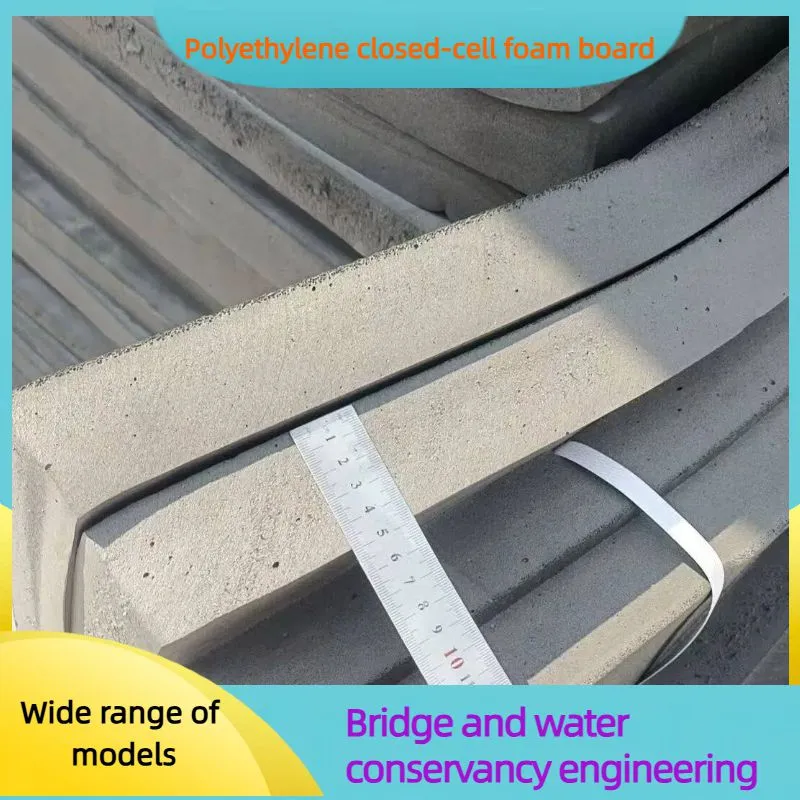
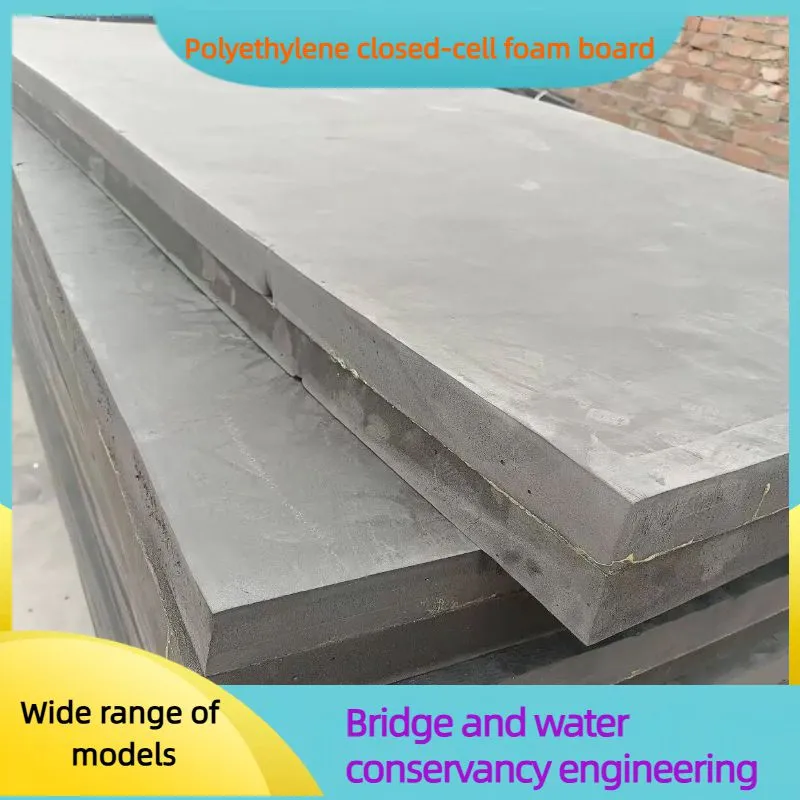
Closed cell polyethylene foam board is a lightweight, closed-cell flexible foam material manufactured through high-temperature foaming and extrusion molding of polyethylene resin. As one of the most versatile polymer foam products, it features an independent closed-cell structure, which fundamentally distinguishes it from open-cell foam materials. Each cell is tightly sealed and isolated, endowing the material with stable physical performance and excellent comprehensive applicability across construction, packaging, marine and industrial fields.
The core physical properties of closed cell polyethylene foam board include ultra-light weight, high buoyancy, outstanding waterproof and moisture-proof performance, excellent shock absorption, and stable thermal insulation. Compared with traditional EVA foam, sponge and rubber foam, PE closed-cell foam has lower density, stronger weather resistance and no water absorption. Its closed-cell structure completely blocks water and vapor penetration, so it will not expand, deform or mildew in humid and underwater environments, ensuring long-term stable service life.
In terms of mechanical performance, the material has good compression resilience and toughness. It can withstand repeated extrusion and impact without permanent deformation, effectively buffering vibration and external pressure. Meanwhile, polyethylene foam board is non-toxic, odorless, environmentally friendly and flame-retardant optional, complying with international environmental protection and safety standards. It is easy to cut, bend, punch and process into customized shapes, which greatly improves production efficiency for downstream manufacturers. Due to these superior characteristics, closed cell polyethylene foam board has become a mainstream auxiliary material in modern industrial manufacturing and construction engineering.
Recently Posted
-
Must‑have for Precast Component Plants! Tips to Boost Quality & Output with Inflatable Rubber Formwork
September 20, 2026As road‑bridge construction turns industrialized and standardized, precast hollow beams and precast concrete components gain growi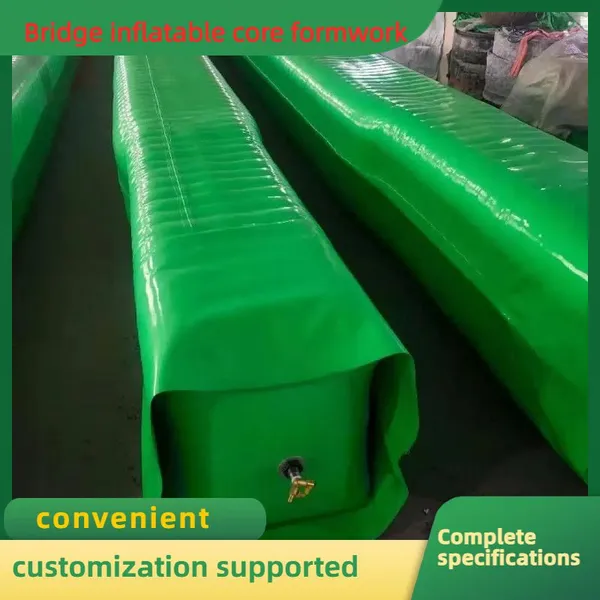 Read More
 -
Special for Hydraulic Engineering! Inflatable Rubber Formwork for Hollow Component Construction of Wharves and Docks
September 20, 2026Hydraulic infrastructures such as wharves, docks and dams set strict requirements on concrete compactness, compression resistance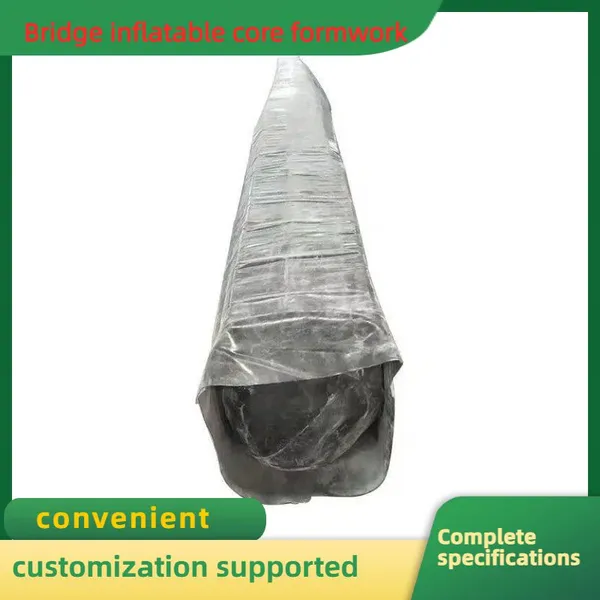 Read More
 -
New Solution for Municipal Pipe Network Construction! Build High‑Standard Concrete Pipes with Inflatable Rubber Formwork
September 20, 2026In urban municipal water supply, drainage and sewerage projects, large quantities of reinforced concrete pipes, underground passag
Read More -
Improve Quality & Efficiency for Culvert & Tunnel Construction! Construction Tips of Inflatable Rubber Formwork for Cavity Forming
September 20, 2026Culverts and tunnels are essential supporting facilities for road and bridge infrastructure. The forming quality of inner cavities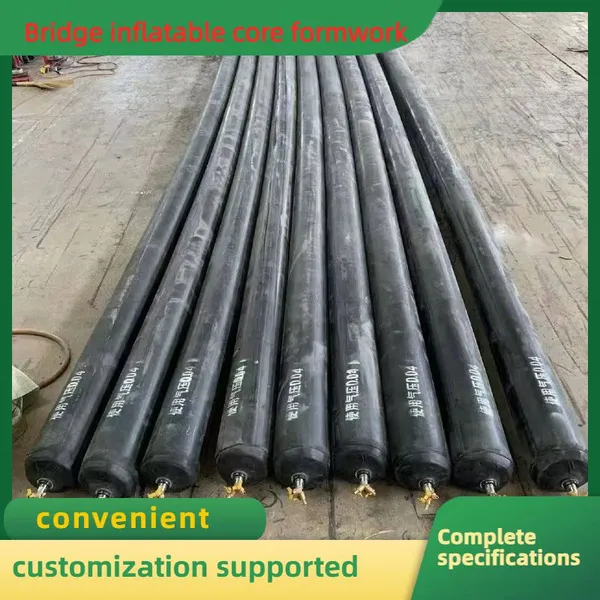 Read More

Contact Us
Recommended Products
-
 Custom Inflatable Rubber Dams – Dual Protection for Flood Control & Irrigation, Direct Factory SupplyUS$ 170 - 250MOQ: 20 Meters
 -
Inflatable Rubber Dams for River Regulation – Specialized for Ecological Landscape Water Storage, Customizable on DemandUS$ 170 - 250MOQ: 20 Meters
-
Lightweight Inflatable Rubber Dams – Fast Deployment, Ideal for Emergency Water ManagemenUS$ 170 - 250MOQ: 20 Meters
-
The Rubber Dam Built for Farmland Irrigation in Indonesia Can Store Water in a 25-meter-wide River.US$ 170 - 250MOQ: 20 Meters
-
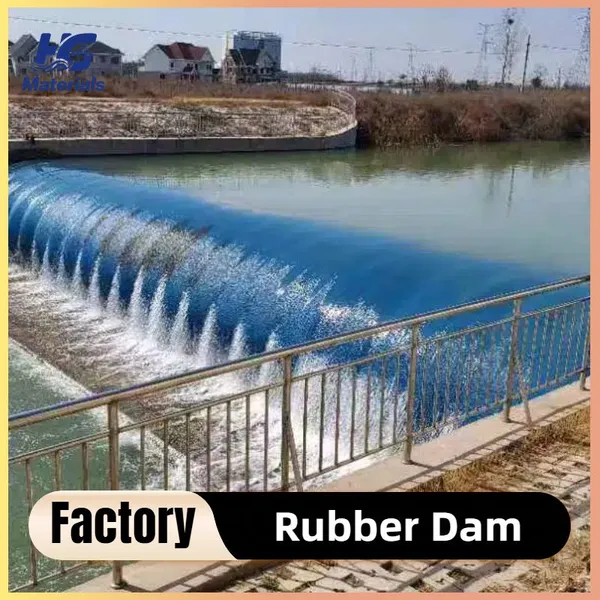
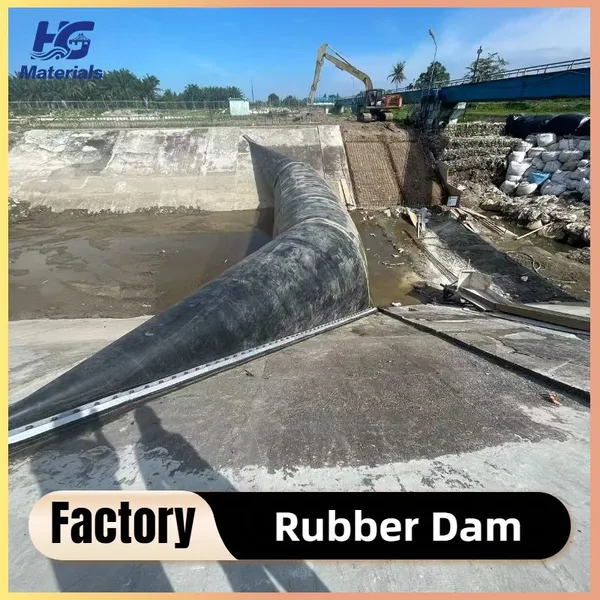
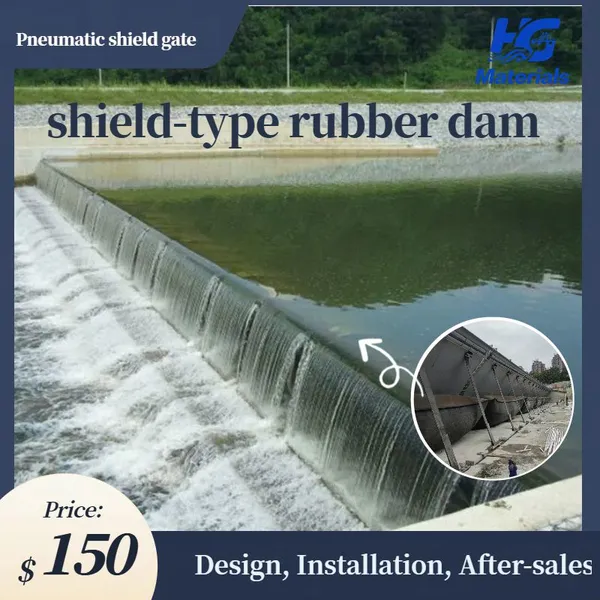
Pneumatic Shield Gate Shield-type Rubber Dam Air Shield Dam Spillway Gate Inflatable Rubber Dam Sold to Thailand, Malaysia, PhilippinesUS$ 1200 - 1500MOQ: 10 Square Meters
-
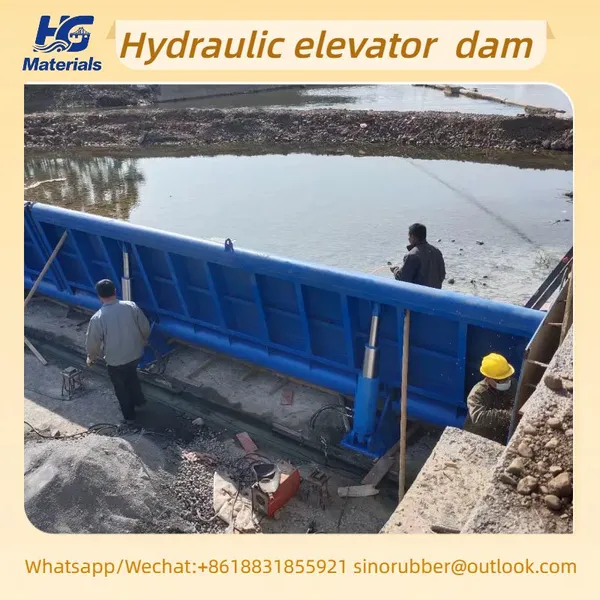
HG006 Hydraulic Elevator Dam Store Water Irrigate Landscape Flood Control Sluice Dam GateUS$ 300 - 350MOQ: 10 Square Meters
-
HG002 Cast Iron Sluice Gate, Farmland Irrigation and Drainage Gate, High-strength Wear-resistant Hydraulic Gate, Available in WholesaleUS$ 200 - 3000MOQ: 10 Combos
-
HG002manufacturer Specializes in Producing Custom-made Copper-inlaid Cast Iron Gates and Cast Iron Round GatesUS$ 200 - 3000MOQ: 10 Combos
-
HG001 High Quality Rubber Pvc Water-stop Construction Concrete Joints Waterstops Rubber Water StopUS$ 4.8 - 5MOQ: 100 Meters
-
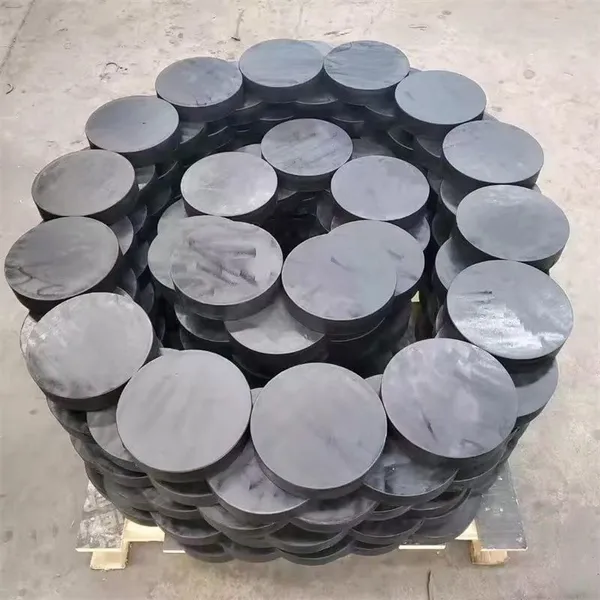
HG004 Elastomeric Laminated Neoprene Rubber Bridge Bearing Pad Nature Rubber Elastomeric Bearing PadUS$ 6.7 - 7MOQ: 10 Pieces
-
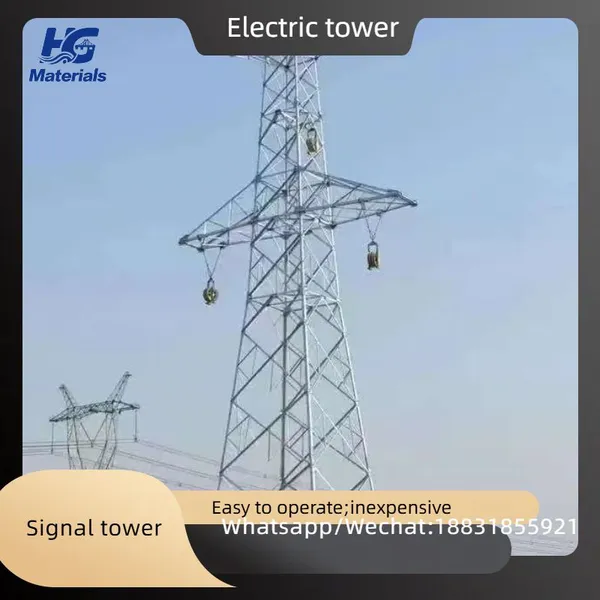
Iron Tower, Signal Tower, Power TowerUS$ 980 - 1000MOQ: 10 Metric Tons
-
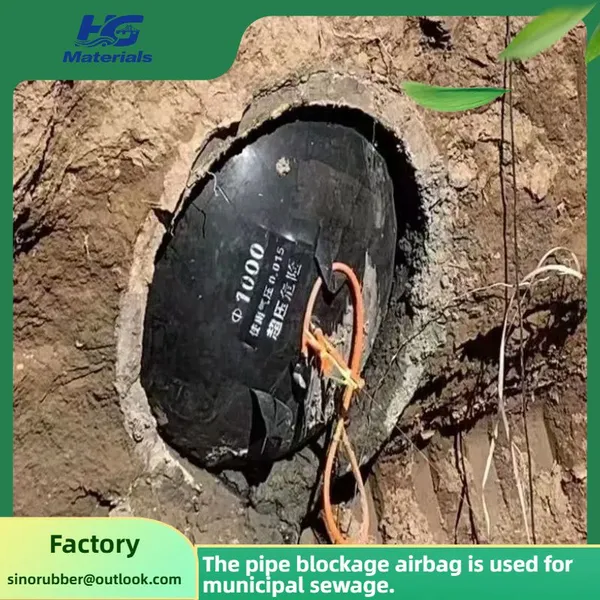
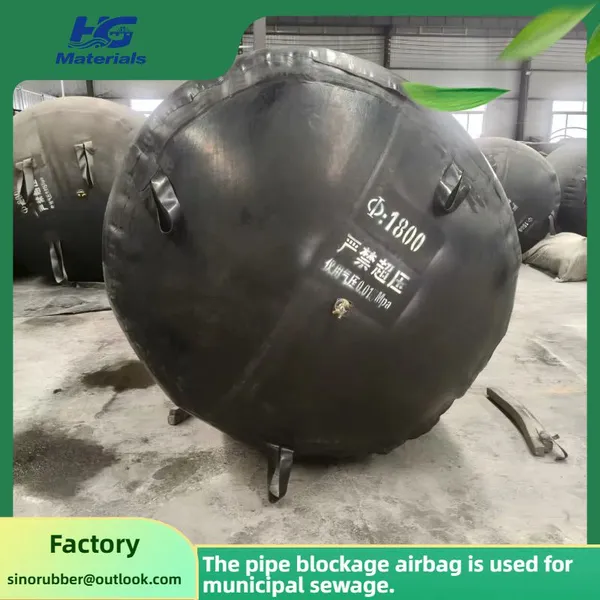
HG003 Customized Municipal Sewer Pipe Repair Pipe Blockage Diameter 800 Rubber Airbag Rubber Pipe Sealing AirbagUS$ 5 - 100MOQ: 10 Combos
-
Pipeline Blockage Water Balloon, Sewer Sewage Pipe Leak Sealing Rubber Balloon, Thickened Inflatable Pipeline BalloonUS$ 5 - 100MOQ: 10 Combos
-
Bridge Rubber Bearings With Steel Reinforcement for Railway Use - Low Noise and Vibration Reduction PropertiesUS$ 6.7 - 7MOQ: 10 Pieces
-
HG004 Bridge Highway Rubber Bearings, Circular and Rectangular Bridge Construction PTFE Rubber Pad Bearings, Shock-absorbing PadsUS$ 6.7 - 7MOQ: 10 Pieces
-
Custom Inflatable Rubber Dams – Dual Protection for Flood Control & Irrigation, Direct From Source FactoryUS$ 170 - 250MOQ: 20 Meters
-
Hot Selling Galvanized 30 Corrugated Metal Pipe Cmp Culvert PipeUS$ 200 - 210MOQ: 100 Meters
-
Galvanized Corrugated Metal Pipe 20mm 3/4'' Armco Mp100 Steel Pipe Flexible Corrugated Tube Large DiameterUS$ 200 - 210MOQ: 100 Meters
-
Hesco Bastion Galvanized Barrier Welded Barriers for Bastion Sand Recover Geotextile BastionUS$ 6 - 7MOQ: 100 Cases
-
Customizable Culvert Pipe Oval Shaped Steel Road Cheap 36 Inch Corrugated Metal Pipe PriceUS$ 200 - 210MOQ: 100 Meters